The "hidden stage" of Korean cinema: the shared tension
The "hidden stage" of Korean cinema: the shared tension
Korean cinema has garnered unprecedented global attention in recent decades, carving out a unique position at the intersection of Eurasian aesthetics and Western narrative structures. This meteoric rise is not merely a byproduct of massive marketing budgets or viral social media trends; rather, it is underpinned by a profound psychological concept known as the "hidden stage."
This "hidden stage" refers to a metaphysical space where empathy and tension intersect. It exists in the heavy silences between scenes, in the physical distance between shooting locations, and within the unspoken psychic bond shared between directors and actors. This article explores this invisible foundation of Korean cinema, revealing how it is built upon deep responsibility, radical trust, and a uniquely nuanced creative approach.
1. The 'Silence' of the Director and the 'Senses' of the Actor: The Rhythm of Korean Cinema
One of the most striking features of high-caliber Korean cinema is the "secret rhythm" maintained between the director and the performer. This rhythm is rarely conveyed through technical jargon or explicit verbal instructions; instead, it is modulated through a careful calibration of tension and empathy. In many instances, directors communicate emotional shifts through silence rather than directing specific movements.
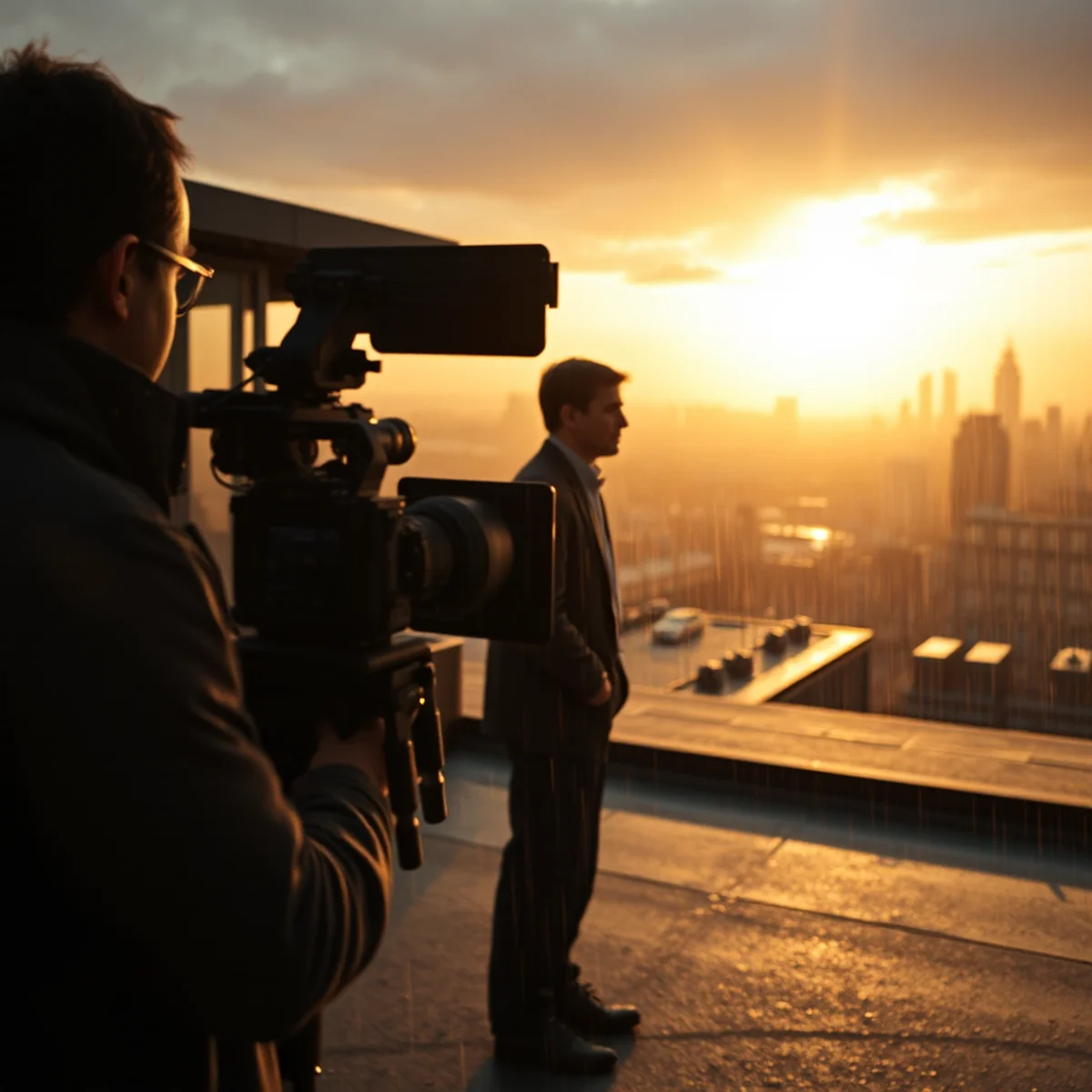
A classic example of this can be found in the work of the late director Kim Ki-duk. During filming, he was known to eschew traditional blocking instructions, often telling actors, "Don't do it that way; feel your body." He would then film the actor moving like a shadow, capturing a raw, unscripted presence. This method represents a sophisticated modernization of traditional Korean intuitive acting.
This approach is deeply connected to a refined emotional technique developed over decades. Since the mid-20th century, Korean performance arts have cultivated an expression that emphasizes subtlety over theatrical exaggeration. According to a 2023 analysis by the Korean Film Council (KOFIC), the global appeal of K-content often stems from this "emotional density," where much is communicated through what remains unsaid.
In director Lee Hae-jun's "Hansan: Rising Dragon," an actor once remarked while observing a quiet scene, "Ah, this is the quiet before war." At that moment, the director simply opened his eyes—a silent acknowledgment of the actor's sensitivity. This shared realization is the essence of the "hidden stage," where the creative energy flows through mutual perception rather than command.
This rhythm also facilitates an "emotional deconstruction" on screen. Rather than using loud crescendos, Korean films often use "shadows" to hint at internal turmoil. In the 2016 blockbuster "Train to Busan," for instance, the protagonist runs with a weapon while consciously trying to keep his hand from shaking. The actor must internally decide the exact degree of fear, creating a shared sensory stage between himself and the camera.
2. 'Decisive Moments': The Quality of Acting Created by Trust
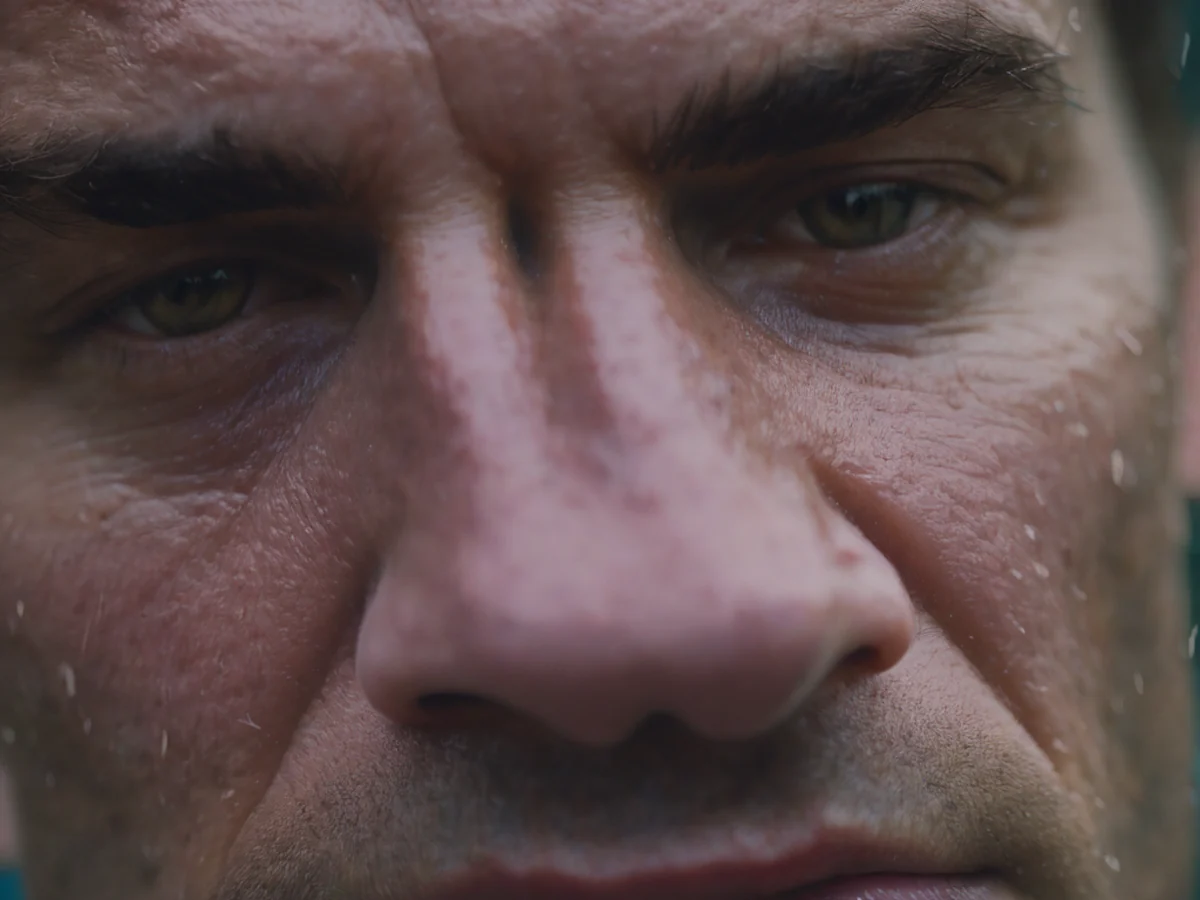
If silence is the rhythm, then "trust" is the heartbeat of Korean cinema. This trust functions as an "empathic community" that extends beyond the director-actor duo to include the entire production crew. It creates a safety net that allows performers to take massive emotional risks without fear of losing control.
A concrete example occurred during the production of the Academy Award-winning film "Parasite." Director Bong Joon-ho reportedly told his actors twice, "You won't die in this scene," before adding, "I will protect you." He recognized that certain high-intensity scenes could push an actor to a state of genuine psychological distress. By offering this verbal contract, he allowed the actor to inhabit the character's desperation fully.
This trust is most vital during "decisive moments"—those unpredictable instances where the script meets reality. In Korean film sets, it is common for actors to spontaneously alter lines or blocking to better suit the emotional temperature of the room. Rather than correcting them to match a storyboard, directors often pause and reflect on the new direction.
This attitude prioritizes the "authenticity of acting" over rigid adherence to a pre-written plan. During the filming of "Train to Busan," actor Gong Yoo requested a slight shift in a specific scene's pacing. Instead of insisting on the original rhythm, the director accepted the change, resulting in a more natural performance that fundamentally altered the film's emotional flow.
The "hidden stage" shines brightest when directors respect an actor's spontaneous choices. In the famous "basement" sequence of "Parasite," many of the actors' visceral reactions to the space were not meticulously planned. They looked at the set and reacted with genuine shock, saying, "This is a house that is truly collapsing." The director chose to capture this raw truth rather than forcing a rehearsed reaction.
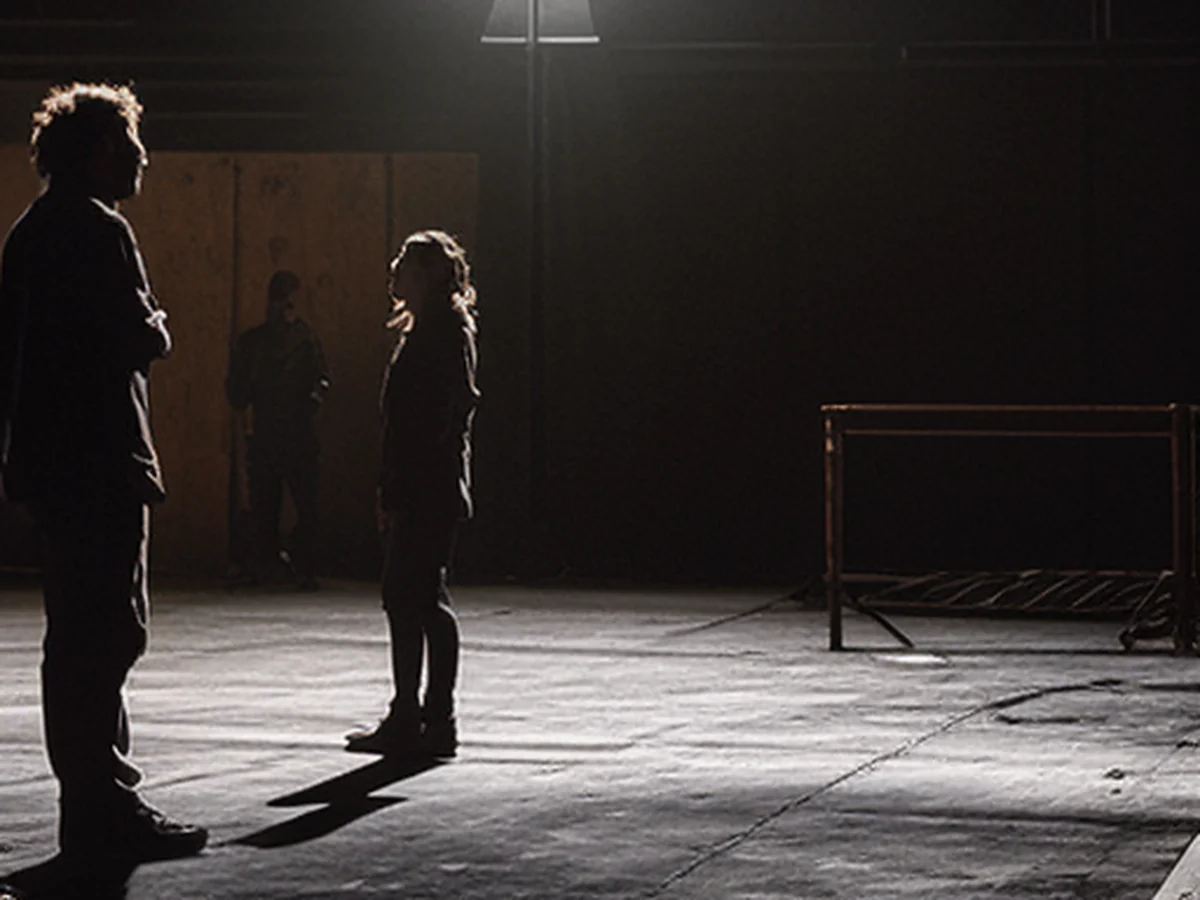
3. The Cultural Roots of the 'Hidden Stage': Korean Sensibilities and Emotions
The existence of the "hidden stage" is not an accident; it is deeply rooted in Korea's socio-cultural fabric. Korea is historically a relationship-centered society, which naturally fosters a heightened sensitivity to shared emotions. Korean cinema leverages this cultural foundation by treating the interaction between director and actor as two human beings facing one another.
This goes much deeper than the mere "expression of emotion" frequently seen in Western character studies. While Western acting often focuses on revealing an individual's inner thoughts to an audience, Korean cinema focuses on the "inter-subjectivity" between characters. It is about how one person's presence affects another's soul.
During the filming of the massive historical epic "The Admiral: Roaring Currents," the director maintained a philosophy of human respect. Even during intense battle rehearsals, he would reassure actors, "You won't die, no matter what." This wasn't just about physical safety; it was an attitude that respected the actor as a person first and a performer second.
Furthermore, Korean cinema tends to value the "emotions behind the stage" even more than those performed on screen. When an actor reflects after a take, saying, "I was so scared at that moment," they are often referring to the human experience of the scene rather than just the character's fear. This approach transforms a film from mere content into a shared space for empathy.
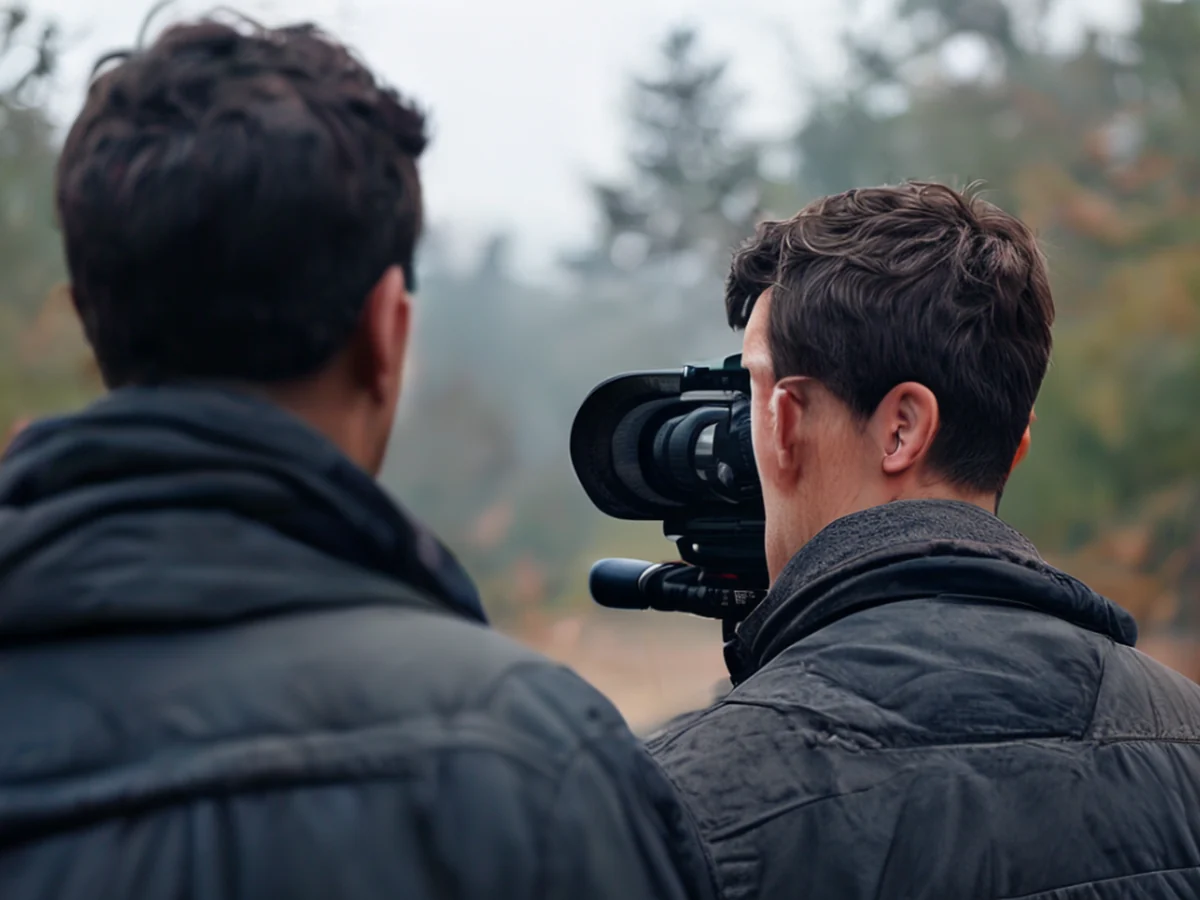
It is important to note, however, a significant caveat: this high-trust environment requires immense professional maturity. If not managed correctly, the lack of rigid structure can lead to production delays or creative friction if the "shared rhythm" is not established early in the process. The success of this method depends entirely on the psychological alignment of the crew.
Ultimately, the "hidden stage" is not a secret kept from the audience; rather, it is an invisible bridge that carries the film's soul to them. According to a 2024 report by the UNESCO Creative Cities Network, the global resonance of Korean storytelling is directly linked to this ability to communicate universal human truths through highly specific, culturally-rooted emotional textures.
Quick Comparison
| Aspect | Korea's "Secret Stage" Approach | Western Traditional Film Approach |
|---|---|---|
| Communication Style | Silent empathy and non-verbal calibration | Language-driven instructions and clear guidelines |
| Emotional Expression | Refined, subtle delivery (the "shadow" method) | Heightened dramatic emotion and explicit cues |
| Creative Rhythm | Intuitive response to the "secret rhythm" | Script-centered workflow with structured scenes |
| Trust Structure | Unconditional respect for spontaneous choices | Adherence to pre-determined acting methods |
| Cultural Foundation | Relationship-oriented emotional sensibility | Individualism-based, character-centered focus |



Comments 0