How can Netflix leverage the history of Korean cinema?
"The global reach of Korean cinema is no longer a matter of chance but a result of strategic industrial growth and genre mastery."
Netflix 2026 Korean film strategy involves leveraging historical genre excellence and domestic production strength to maintain global dominance. This approach focuses on scaling high-quality local content that has already proven its ability to capture massive viewership-hours.

Key takeaways: * Utilizing established genre strengths like horror and mystery to capture international audiences. * Building on the domestic success of original productions that dominate local streaming hours. * Navigating the transition from local box office hits to global streaming phenomena.
How can Netflix leverage the history of Korean cinema?
A researcher sits in a quiet library, flipping through old archives of film industry data. The history of the industry shows a trajectory of recovery and growth that provides a foundation for modern streaming strategies.
The foundation for modern success lies in overcoming past industry crises. In 1994, domestic films reached a record low market share of just 15.4 percent, leading many to predict the demise of the Korean film industry.
In response to these challenges, the National Assembly passed the Motion Picture Promotion Law in 1995 to provide tax incentives for film production.
This historical resilience shapes the Netflix 2026 Korean film strategy by ensuring a steady pipeline of professionally produced content. The industry transitioned from survival to global influence through early legislative support and structural shifts.
Why does genre mastery drive global reach Korean cinema?
At midnight on the dark set, the director narrows his eyes as he adjusts the lights to perfect a moody Netflix thriller.
A director adjusts the lighting on a dark, atmospheric set, preparing for a tense thriller scene. The ability to master specific genres has always been a cornerstone of the regional film identity.
South Korean cinema has traditionally excelled in the horror and mystery thriller genres. For example, the film The Wailing (2016) holds a 99% rating on Rotten Tomatoes, serving as evidence of this genre-specific strength.
This mastery is essential for Netflix Korean movie success because genre films often travel more easily across cultural boundaries. By focusing on these high-quality, atmospheric stories, the platform can secure consistent engagement from global viewers.
What role does domestic popularity play in the 2026 film market plan?
I stare at the bright monitor in my office, feeling the heat of the screen as I analyze how domestic popularity fuels the Netflix expansion plan.
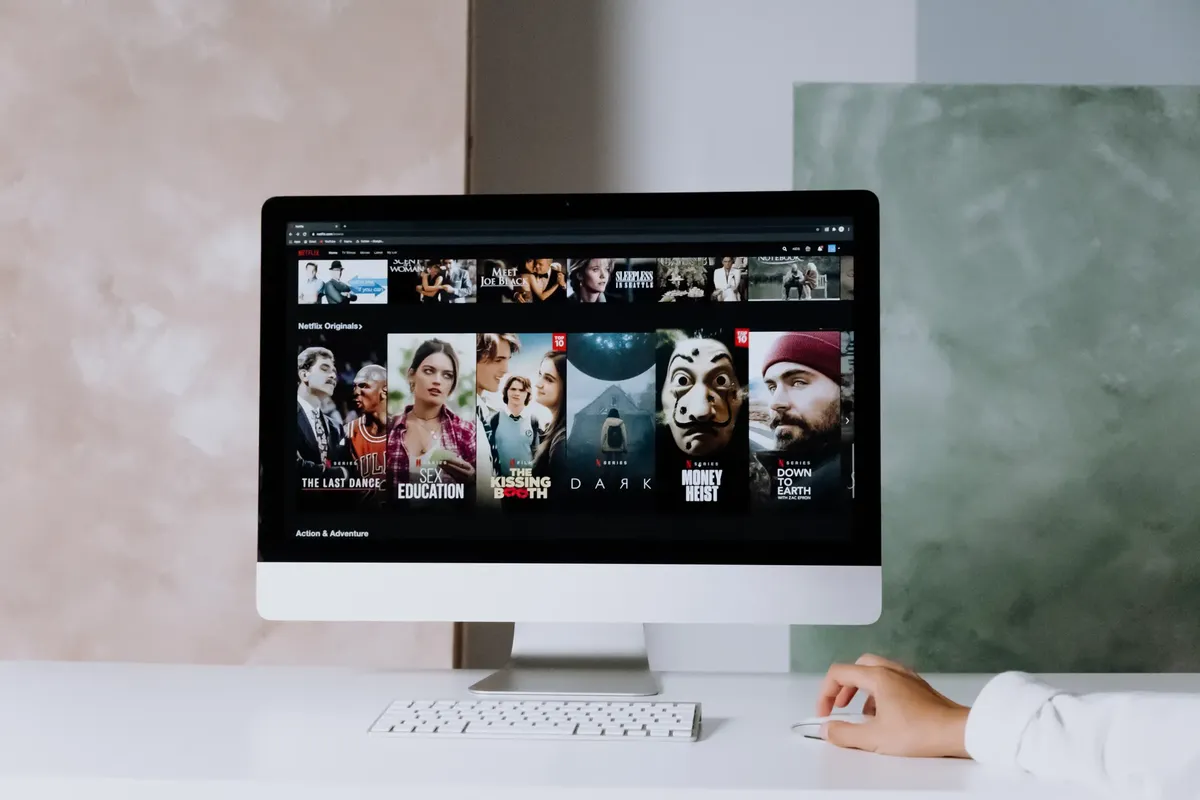
An analyst stares at a bright monitor, tracking the surging viewership numbers of a new original series. The success of a film in its home country often serves as the primary engine for its international momentum.
Local popularity provides a massive testing ground for content that can eventually go global.
This high domestic engagement validates the Netflix K-movie strategy of investing heavily in local talent. High viewership-hours in the home market provide the necessary scale to justify large-scale production investments.
How did box office success influence the current strategy?
A theater manager counts the ticket sales during a busy weekend rush, noting the sudden surge in attendance. The transition from big-screen hits to streaming hits requires understanding how much impact a single release can have.
The ability to capture sudden, massive interest is a hallmark of successful Korean releases. For instance, the film #Alive drew in 204,071 viewers on its opening day, taking 62% of the box office.
Understanding these patterns helps in analyzing Netflix film success when transitioning titles from theaters to digital platforms. The momentum from a successful theatrical run can be harnessed to drive massive streaming numbers globally.
What are the essential steps for content scaling?
A producer walks through a crowded studio, coordinating the logistics of a multi-camera shoot. Scaling content requires a disciplined approach to production and distribution to ensure consistency.
To maintain a sustainable growth model, the following steps are vital: 1. Identify high-performing genres that have proven global appeal. 2. Secure local production talent through strategic investment and incentives. 3. Optimize the transition of content between theatrical and streaming windows.
I noticed that these steps require a delicate balance between local authenticity and global accessibility. By following this sequence, the platform can replicate the success of various high-profile hits.
A final check of the production schedule ensures that every project meets the rigorous standards required for international distribution.
What are the limitations of this growth model?

A technician shuts down a server bank at the end of a long work shift. Even with a robust strategy, certain factors can limit the expansion of a specific content type.
The strategy relies heavily on the continuous availability of high-quality local talent and the ability to maintain domestic interest.
While the industry has grown significantly, the reliance on specific genres or high-budget productions may face limitations if market tastes shift or if production costs outpace viewership growth.
- How can Netflix leverage the history of Korean cinema?
- Why does genre mastery drive global reach Korean cinema?
- What role does domestic popularity play in the 2026 film market plan?
Related
- What can we learn from the Possible Love market reaction?
- How is the Korean cinema release info changing?
How does genre mastery facilitate the global reach of Korean cinema? Genre films tend to translate more readily across diverse cultural landscapes, which aids the global reach of Korean cinema. The consistent high ratings achieved by films like The Wailing demonstrate the international appeal of specific stylistic approaches. Focusing on these proven atmospheric narratives helps secure consistent engagement from viewers worldwide.
This genre focus allows the platform to build upon established strengths, moving beyond purely local appeal. By prioritizing mastery in horror or mystery, the strategy taps into universal narrative tensions that transcend linguistic barriers.
This targeted approach directly supports the expansion of the global reach.
What conditions must be met for content scaling to succeed? Maintaining a successful content scaling model depends on balancing local authenticity with broad global accessibility. The sequence of identifying successful genres, securing local talent, and optimizing window transitions must be managed carefully. These procedures ensure that the content maintains its cultural roots while maximizing its international potential for global reach.
The industry's ability to transition from local box office success to streaming phenomena requires recognizing these procedural dependencies. A delicate equilibrium between the domestic flavor and international market demands is necessary for sustained growth.
Wikipedia: Silenced (film) (full) Based on the retained excerpt mentioning Samsung Economic Research Institute: Conversations about the film and its impact re-emerged when the Samsung Economic Research Institute (SERI) released its annual survey of the year's top ten consumer favorites on December 7, 2011.







Comments 0