The "hidden stage" of Korean cinema: the shared tension between director and actor.
<!--img--> 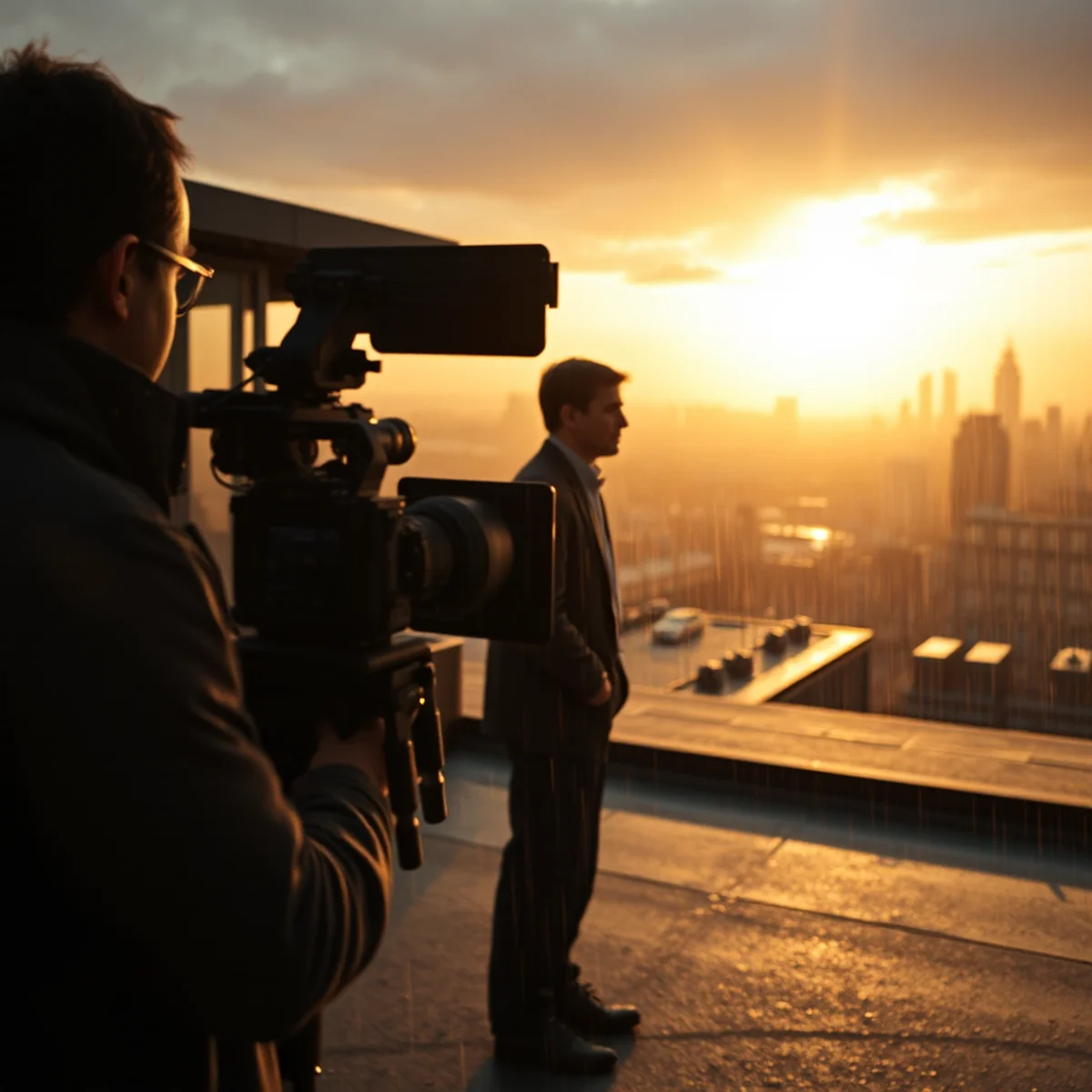
Korean cinema has garnered global attention in recent decades, carving out a unique position between Eurasia and the West. The growth of Korean cinema is not solely about commercial success; rather, it's underpinned by a concept called the "hidden stage." This is a space where empathy and tension intersect, existing in the silence between scenes and shooting locations, and between directors and actors. This article explores this "hidden stage" that lies behind the success of Korean cinema, revealing its foundation in responsibility, trust, and a unique creative approach.
1. The 'Silence' of the Director and the 'Senses' of the Actor: The Rhythm of Korean Cinema
One of the most striking features of Korean cinema is the "secret rhythm" between directors and actors. This rhythm isn't conveyed through words, but rather through the careful modulation of tension and empathy. In Korean cinema, directors often communicate emotions through silence, rather than giving explicit instructions to actors. For example, director Kim Ki-duk once told an actor during filming, "Don't do it that way; feel your body," and filmed the actor as they moved like a shadow in front of the camera. This is a modernization of the traditional "intuitive acting" method.
This approach also connects to the "refined emotional technique" often seen in Korean cinema. Since the 1950s, Korean theaters have cultivated a unique form of "Korean expression," which emphasizes refinement over emotional exaggeration. For instance, in director Lee Hae-jun's "Hansan: The Guest," an actor remarked while watching a scene, "Ah, this is the quiet before war." At that moment, the director's eyes opened. Although he didn't move or speak, he acknowledged the actor's sensitivity. This is the "hidden stage" of Korean cinema.
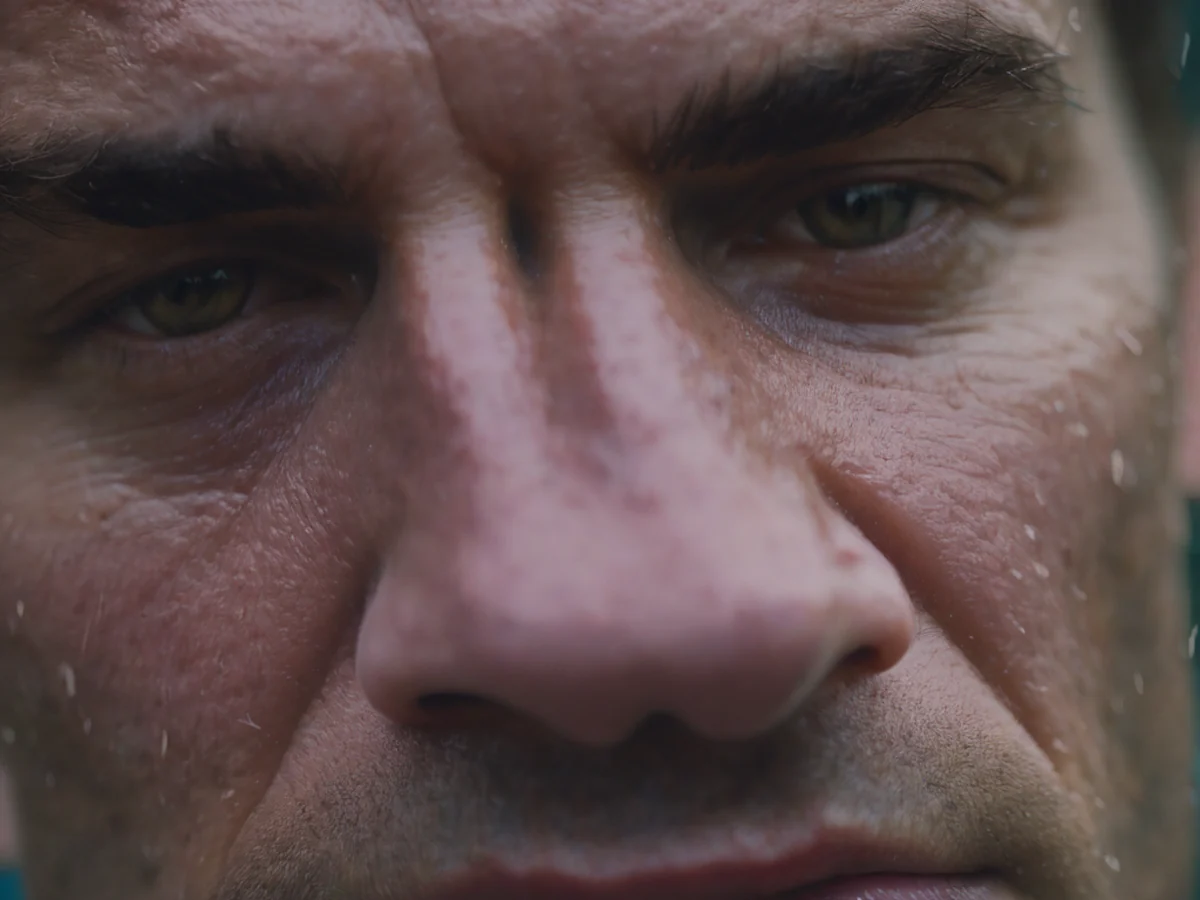
This rhythm also connects to a cinematically expressed "deconstruction of emotion." Korean films convey emotions not through exaggeration, but through subtle hints, like "shadows." In "Train to Busan," the protagonist runs with a gun, consciously trying to keep his hand from shaking. At that moment, the actor must decide for themselves, "Am I scared or not?" This creates a "stage of shared senses" between the director and actor.
2. 'Decisive Moments': The Quality of Acting Created by Trust
One of the most important elements in Korean cinema is "trust." This trust isn't just formed between the director and actor; it also functions as an "empathetic community" throughout the entire film crew. For example, during the filming of "Parasite," director Bong Joon-ho repeated twice to the actors, "You won't die in this scene," and added, "I'll protect you." He knew that the scene could genuinely feel like a death. However, during filming, the actor was "acting" as if they were dying, and the director placed infinite trust in that moment.
This trust is most evident in "decisive moments." It's common for actors to change lines or blocking during filming in Korean cinema. In these moments, the director doesn't say "You're right," but pauses and reflects. This is an attitude that prioritizes the "authenticity of acting." During the filming of "Train to Busan," actor Gong Yoo said he wanted to slightly change a scene, and the director accepted it. As a result, the filmed scene became more natural and created a change that fit the rhythm of the film.
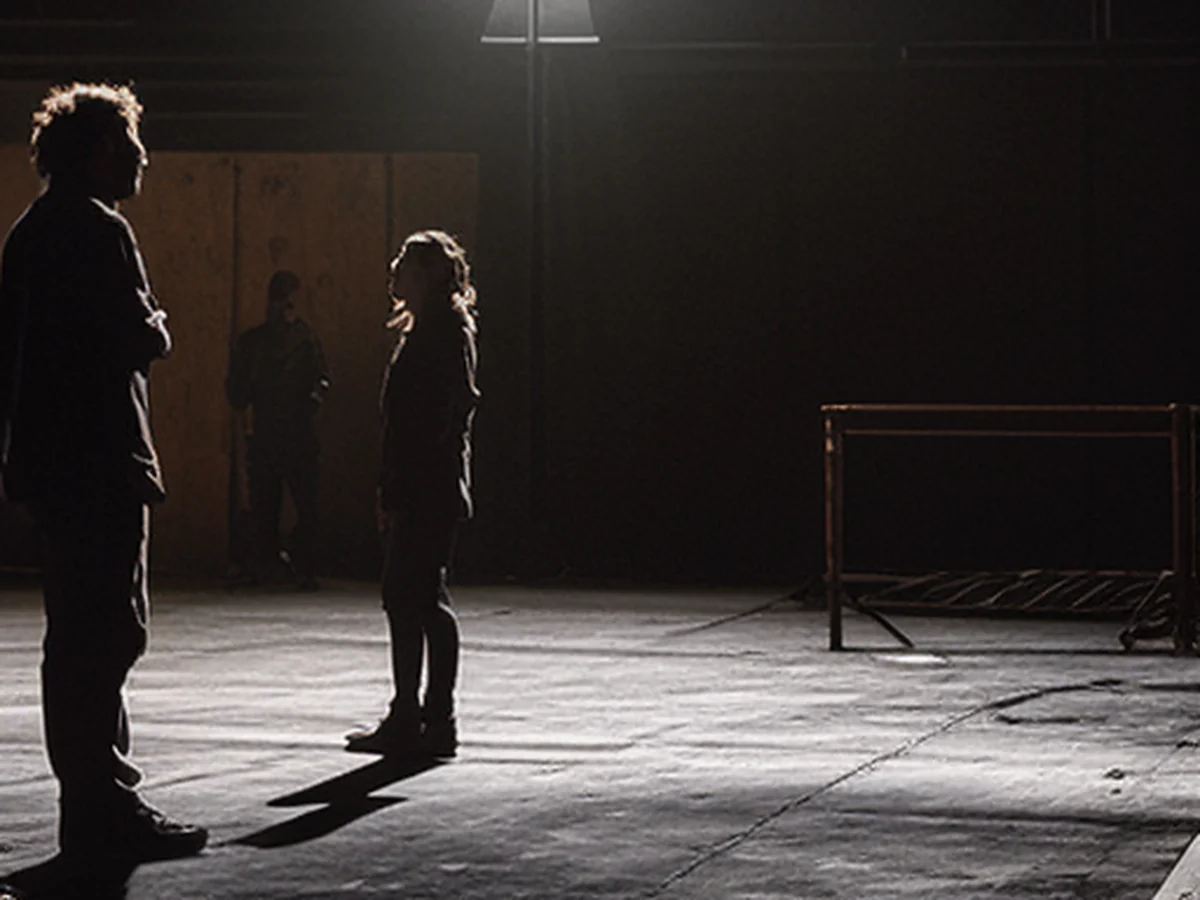
The trust in Korean cinema shines brightest in these "decisive moments." In these moments, it's more important for the director to respect the actors' choices than to "take care of" them. In the "basement" scene of "Parasite," the actors' reactions when they first entered the basement weren't planned in advance. The actors looked at the space and said, "This is a house that's really collapsing," and the director filmed it as is. This moment of trust created "real emotions" in Korean cinema.
3. The Cultural Roots of the 'Hidden Stage': Korean Sensibilities and Emotions
One reason why the "hidden stage" is possible in Korean cinema lies in Korea's cultural sensibilities. Korea is a "relationship-centered" society, which naturally leads to the "sharing of emotions." Korean cinema builds upon this relationship-centered culture, focusing on communication between directors and actors as "human beings facing each other." This goes deeper than the "expression of emotions" in Western cinema, going beyond simply revealing one's inner thoughts.
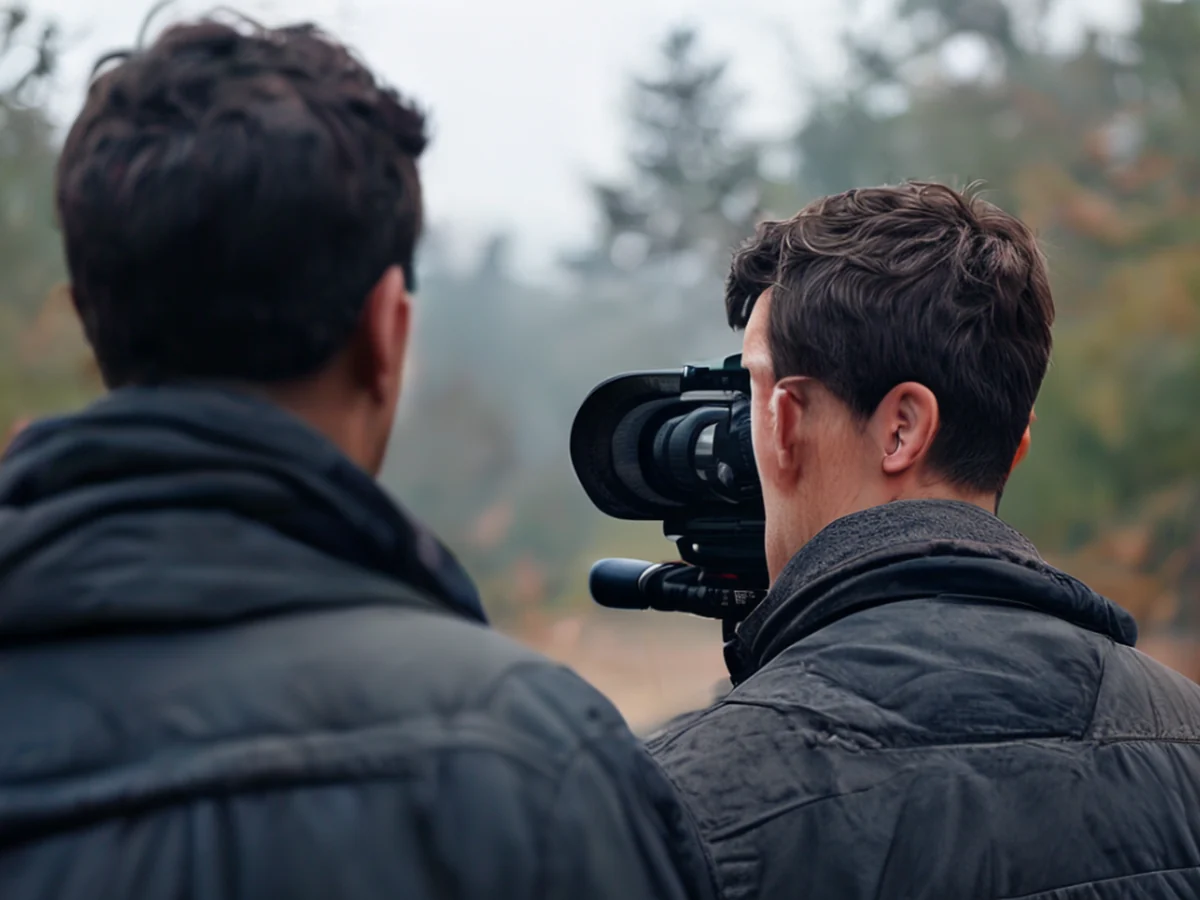
For example, during the filming of "The Admiral: Roaring Currents," the director told the actors practicing battle scenes, "You won't die, no matter what." This was an attitude that respected the actors as human beings, rather than their fate within the film. This is a crucial element in forming the "authenticity of emotion" in Korean cinema. In Korean cinema, what's most important isn't just "emotions" during filming, but the actors' "sense of being."
Furthermore, Korean cinema values the "emotions behind the stage" more than the "emotions on stage." When an actor says after filming, "I was so scared at that moment," it refers to the "person" who is more important than the character in the film. This approach makes Korean cinema not just a piece of content, but a "space for empathy" where human emotions are shared. This is a unique approach in the world of cinema, an extension of Korean literature and art traditions.
Finally, the "hidden stage" of Korean cinema is not at all secretive. On the contrary, the trust, empathy, and human connection within it are open to everyone. This is also one of the most powerful weapons that allows Korean cinema to reach out to the world.
<!--enr--> ## Quick Comparison
| Aspect | Item A: Korea's "Secret Stage" Film Approach | Item B: Western Traditional Film Approach |
|---|---|---|
| Communication Style | Silent empathy and trust-based non-verbal communication between director and actor | Language-driven communication centered on clear dialogue instructions and acting guidelines |
| Emotional Expression | Refined, subtle emotional delivery implied like shadows; sensory deconstruction | Exaggerated expressions and heightened dramatic emotion |
| Creative Rhythm | "Secret rhythm" that respects actors' intuitive responses | Director-led, clearly structured scenes with script-centered workflow |
| Trust Structure | Unconditional trust in the actor's choice at "critical moments" | Consistent adherence to pre-determined acting methods before filming |
| Cultural Foundation | Relationship-oriented Korean emotional sensibility, prioritizing human presence | Individualism-based expression focus, character-centered performance |
Frequently Asked Questions (FAQ)
Q1. What is the 'secret stage' in Korean cinema? The 'secret stage' in Korean cinema refers to the creative space formed between director and actor, where silent empathy and tension intersect. It is a method of creation centered on non-verbal communication—emotional calibration and trust rather than explicit instructions.
Q2. Why do directors and actors choose silence? Silence in Korean cinema serves to heighten emotional authenticity. Directors trust the actor’s gestures and instincts, guiding them toward deeper performances by conveying emotion through eye contact or posture rather than dialogue.
Q3. Why does the director respect the actor’s choice during a 'critical moment'? Respecting an actor's spontaneous decision during a 'critical moment' ensures the authenticity of performance. This practice reflects a creative philosophy rooted in trust—going beyond pre-planned lines or scenes to capture genuine emotional moments as they unfold.
Q4. Why has the 'secret stage' in Korean cinema attracted global attention? This creative approach stems from Korea’s relationship-centered culture and its refined expression of emotion. Its emphasis on human connection and emotional truth has become a distinctive hallmark in global cinema.


Comments 0