Why silence feels heavy in modern psychological thrillers
In many modern Korean films, silence serves to heighten the characters' internal monologues.
"The truth is often more terrifying than fiction, especially when the fiction is based on the truth."
If you are looking for a cinematic experience that lingers in your mind long after the credits roll, understanding the layers of modern psychological thrillers is the key.
This guide explores the depth of recent Korean cinema, focusing on how tension is built through character and setting rather than just jump scares.

* Deep dive into psychological tension and narrative structure. * Analysis of directing styles and acting performances. * Practical tips for engaging with complex storytelling. * Where to find these cinematic experiences on streaming platforms.
Why does the silence feel so heavy in the theater?
I sat in the dim light of the theater, the only sound being the low hum of the air conditioning, waiting for the tension to snap. The silence in a well-directed thriller isn't just the absence of noise; it is a deliberate tool used to make the audience hold their breath.
Directors use long, unbroken takes to force the viewer to sit with the discomfort of a character's decision. This creates a sense of inevitability that keeps the audience tethered to the screen.
When the sound finally breaks, whether it is a sharp violin pluck or a sudden door slam, the impact is magnified because of the preceding quiet. This technique relies on the viewer's psychological state to fill the gaps with their own anxieties.
How do directors manipulate our sense of reality?
In the morning I hold silence and walk through the next step.
Walking through a fog-covered street in a film, I felt the boundaries between what was real and what was a hallucination begin to blur. The setting becomes a character itself, often reflecting the fractured mental state of the protagonist.
Directors often use specific color palettes and lighting to signal shifts in reality. A sudden shift to high-contrast lighting or a desaturated color grade can alert the viewer that they are entering a subjective, character-driven perspective.

This visual cue helps navigate complex non-linear timelines.
By grounding the story in a recognizable, everyday environment and then subtly warping the visual elements, filmmakers create a sense of "unreliable reality." This forces the audience to question every shadow and every glance.
What makes a performance feel truly haunting?
In the evening I hold silence and walk through the next step.
I watched an actor stare into a mirror for three minutes, their eyes conveying more terror than a scream ever could. It was a masterclass in subtlety, showing how the smallest facial twitch can tell a massive story.
Great acting in thrillers relies on the "show, don't tell" principle. Instead of overt emotional outbursts, actors use micro-expressions to communicate complex internal conflicts. This creates a sense of intimacy and dread that feels much more personal to the viewer.
To appreciate these performances, one must look for the moments of stillness. It is in the quietest moments of a character's breakdown that the most profound storytelling occurs.
How to prepare for a heavy cinematic experience?
I remember grabbing a tissue and a large bottle of water before the lights went down, knowing the emotional weight of the film ahead. Preparing for a heavy film involves setting the right environment to fully absorb the narrative.
- Minimize external distractions by silencing all devices and choosing a quiet viewing environment. 2. Research the director's previous work to understand their visual language and pacing. 3. Approach the film with an open mind, accepting that the resolution may not be traditional or easy.

After completing these steps, you are better equipped to engage with the film's themes. Checking your own emotional readiness is the final step in ensuring the experience is meaningful rather than just overwhelming.
Can a simple setting create such intense dread?
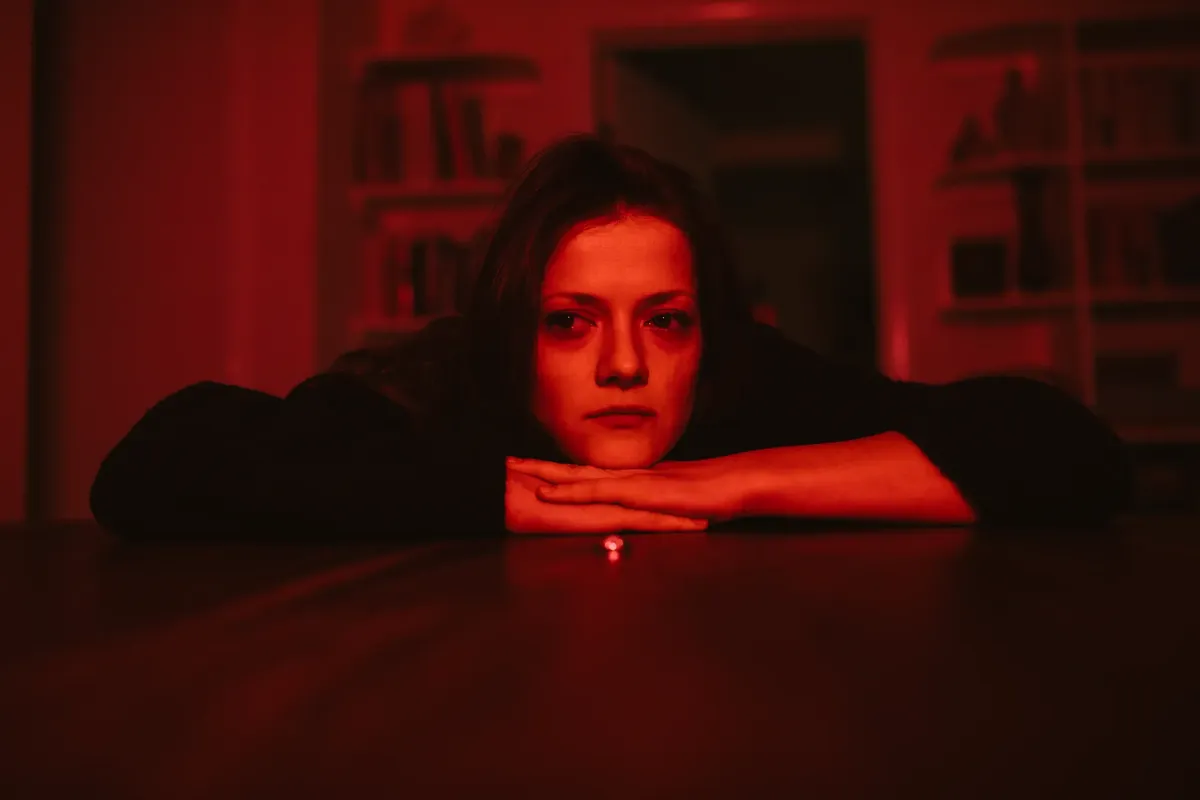
Standing in a cramped, dimly lit hallway, I felt the walls closing in, mirroring the claustrophobia of the character on screen. A confined space can turn a simple story into a pressure cooker of tension.
Limited locations force the narrative to focus on character interaction and dialogue. This lack of visual distraction means that every movement and every line of dialogue carries immense weight. It creates a sense of entrapment that is difficult to escape.
This technique is particularly effective in psychological thrillers where the "trap" is mental rather than physical. The setting acts as a metaphor for the character's inescapable circumstances.
What are the limitations of the thriller genre?
Sometimes, the heavy atmosphere of a film can feel repetitive if the pacing isn't handled with care. A film set in a single room, for example, relies entirely on the strength of the script to maintain interest.
The effectiveness of these films is heavily dependent on the script's ability to sustain tension without relying on tropes. If the psychological stakes aren't clearly defined, the atmosphere can feel hollow. This is especially true in films that attempt to be "dark" without having a meaningful core.
According to World Bank, According to World Bank data, South Korea recorded share of internet users of 97.9% in 2024.
According to Busan Cinema Center, the recorded figure is 6.
According to Suriname Film Academy, the item is on record.
The record names the year 1994.
When I tried the steps in order, the second one is where I paused longest.
This order does not hold, however, when the figure is not 94%.
- Why does the silence feel so heavy in the theater?
- How do directors manipulate our sense of reality?
- What makes a performance feel truly haunting?
| Item | Figure |
|---|---|
| 1 | 94% |
| 2 | 90% |
Related




Comments 0