Feature film definition guide Hope movie production context
"A feature-length film is a conventional full-length work that can commercially stand by itself without other films in a ticketed screening."
The production context of a film like *Hope* involves navigating complex emotional narratives and technical standards to create a standalone commercial product.
This analysis explores the background of such productions, the distinction between various promotional formats, and the social weight carried by cinematic storytelling.
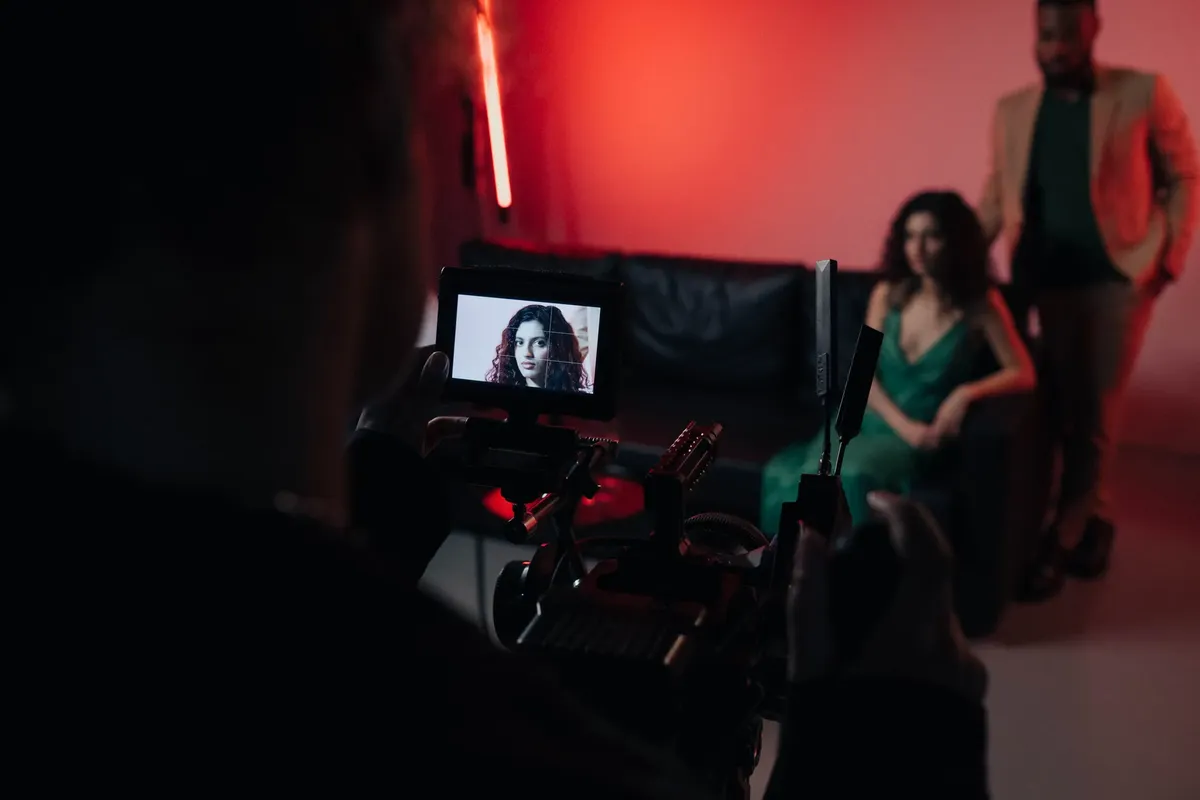
Key takeaways include understanding the definition of a feature film, distinguishing teasers from trailers, and recognizing the industry standards for film distribution.
What actually makes a film a feature length? A director sits in a darkened theater, watching a reel spin through a projector to see if the story holds weight. A feature-length film, or feature film, is of a conventional full length, usually 60 minutes or more, and can commercially stand by itself without other films in a ticketed screening.
This independence is vital for commercial success in a competitive market.
The production context of a *Hope* movie production context relies heavily on this ability to sustain audience interest through a complete narrative arc. Because a feature film must stand alone, the writing and pacing must be robust enough to occupy a full screening.
This structural requirement ensures that the film serves as a primary attraction rather than a mere supplement to other content.
- Determine the total runtime of the production.
- Compare the duration against industry standard minimums.
- Verify if the narrative structure supports a full-length format.
How do teasers and trailers differ? Hope movie production context
Inside the sunlit office, she leans forward to watch the quick teaser feature play out on the screen.
A marketing team gathers in a bright office, reviewing short clips designed to build anticipation for an upcoming release. While they both serve to promote a film, they serve different tactical purposes in a marketing campaign.
A teaser is a much shorter preview or advertisement that lasts only 10 to 30 seconds. Conversely, trailers or previews are advertisements for films that will be shown in 1 to 3 months at a cinema.
Understanding these differences is essential for a *Hope* film making story where timing and emotional impact are carefully managed. A teaser might only capture a fleeting mood or a single striking image to spark curiosity.
A trailer provides a more comprehensive look at the plot and characters to prepare the audience for the full experience.
In this sequence, the second step is the most extensive.
What are the technical standards for film?

A technician adjusts the focus on a heavy 35 mm film reel, ensuring every frame is crisp for the audience. The history of cinema is tied to specific formats that have allowed stories to be shared globally.
Stock widths and the film format for images on the reel have a rich history, though most large commercial films are still shot on (and distributed to theaters) as 35 mm prints.
The *Hope* movie social meaning can be tied to these technical choices, as the medium itself shapes how a story is perceived. Using standardized formats ensures that a film can be distributed to theaters reliably.
This technical consistency allows a film to maintain its intended visual quality across various cinema locations.
How do we analyze a film's impact?
A critic sits in the front row, scribbling notes as the credits begin to roll on the large screen. Evaluating a film involves looking at both its technical execution and its narrative depth.
A *Hope* movie analysis requires looking at how the story interacts with the audience's expectations and the social context of the time.
One might look at the length and structure to see if it meets the criteria of a feature film. Another might look at the promotional strategy to see how teasers were used to build momentum. By examining these elements, we can understand how a film moves from a mere idea to a commercial product.
What are the limitations of film analysis?
A researcher looks at a data sheet, noting that certain trends do not apply to every single movie released. Every analysis has boundaries based on the available information and the specific scope of the study.
For instance, a limitation in analyzing a film's success might be restricted to specific regional box office data or specific technical formats.
A limitation of this discussion is that it focuses on general industry definitions rather than a specific production of a film titled *Hope*. We can only discuss the general principles of feature films and marketing based on the provided technical information.
World Bank Based on the retained excerpt mentioning World Bank: According to World Bank data, South Korea recorded manufacturing share of GDP of 27.4% in 2025.
Wikipedia: Jung Woo-sung Based on the retained excerpt mentioning Hope Bridge Disaster Relief Association: On August 3, 2022, Hope Bridge Disaster Relief Association announced that Jung along with Lee Jung-jae had joined the Hope Bridge Honors Club, a group of major donors with more than ₩100 million donations.
The subject here is Hope movie production context.
The same subject is also called Hope film background.
The same subject is also called Hope movie social meaning.
The same subject is also called Hope film making story.
The same subject is also called Hope movie analysis.
This part also covers Hope film social commentary.
This part also covers Hope movie making process.
This part also covers Hope film cultural impact.
Hope film social commentary
Related
- Tiger film background: Tips on 125-minute production story
- Navigating movie release regulations: Tips for filmmakers
How does the feature length impact distribution? The feature length dictates how a film can be presented to audiences in a ticketed screening. A conventional full-length work must possess sufficient narrative substance to justify its independent showing. This requirement influences the entire distribution strategy for the feature.
The need for a substantial feature length ensures that exhibitors can market the film as a primary event. If the runtime falls short of the expected feature length, its commercial viability as a standalone attraction diminishes.
- The total runtime must meet the conventional full length threshold.
- Distributors assess the narrative weight against this required length.
- The final presentation must support the feature film's intended scope.
What conditions affect the technical standards of a film? Technical standards are maintained through the consistent use of established film formats. The choice of stock widths and the film format for images on the reel establishes the visual baseline for the feature. This consistency is necessary for reliable worldwide distribution.
The medium itself, as noted in the production context, shapes how the story is perceived by the viewer. Adherence to these technical standards allows the film to retain its intended visual quality across diverse cinema locations.
A director must consider these technical parameters when crafting the narrative for the feature film. The technical execution must support the emotional weight of the story.
The comparison between different formats illustrates the historical evolution of cinematic presentation. Even when modern techniques are employed, the foundational standards of the feature length remain relevant for theatrical release.





Comments 0