Korean film poster analysis: Tips for visual language guide
Analyzing the visual language of a film poster can reveal the intended mood and the marketing strategy of a production house. This process involves looking at color palettes, character placement, and typography to understand how a studio intends to present its story to the public.
Key takeaways: * Visual elements in posters serve as the primary bridge between the director's vision and the audience's expectations. * Studios use specific design choices to signal genre, tone, and target demographics.
* A successful poster creates immediate curiosity through symbolic or dramatic imagery.
How do visual elements shape the Korean film poster analysis?
At dusk, I lean closer to the glowing screen while studying the sharp shadows within the Korean film poster analysis.

A designer sits at a desk, adjusting the saturation of a dramatic sky to evoke a sense of tension. This initial step in Korean film poster analysis involves identifying how lighting and color establish the film's atmosphere.
The visual language of a poster acts as a silent trailer, setting the stage before a single frame is seen. Through careful composition, a studio can communicate whether a film is a thriller, a romance, or a historical drama.
This Korean film poster analysis relies on understanding how these visual cues trigger emotional responses in potential viewers.
A single striking image can define the entire marketing campaign. By choosing a specific color scheme, such as cold blues for a mystery or warm ambers for a drama, the studio creates a consistent brand for the film.
This method of Korean film poster analysis helps viewers anticipate the narrative journey they are about to embark upon.
Visual elements such as color palettes, typography, and composition serve as the primary language for conveying genre and emotional tone. Analyzing these components allows for a deeper understanding of how aesthetic choices influence audience perception.
What are the common trends in movie poster marketing study?
At midnight, I squint at the bright screen while reviewing the latest trends in a Korean movie poster marketing study.
A marketing executive reviews several drafts of a poster, comparing how different font styles change the perceived weight of the title. This is a core component of a movie poster marketing study.
Studios often experiment with minimalism to create an air of sophistication or mystery. A movie poster marketing study might show that clean lines and ample white space suggest an arthouse or psychological film. Such designs aim to attract viewers seeking deep, contemplative storytelling.
Conversely, busy posters with many characters often signal large-scale ensemble casts or action-heavy plots. This aspect of a movie poster marketing study allows distributors to target specific audience segments based on visual density.
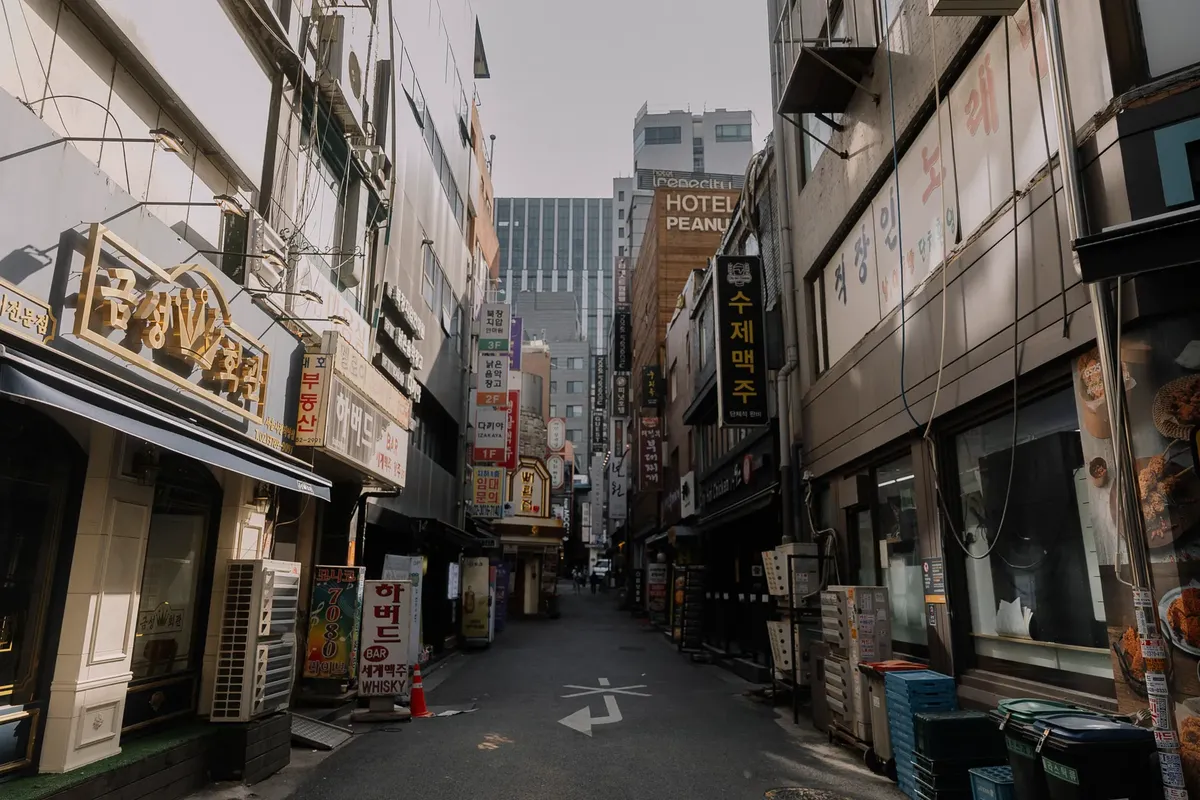
The goal is to ensure the poster's message reaches the intended demographic instantly.
Marketing analysis often focuses on the relationship between visual hierarchy and consumer attention. Common trends include examining how celebrity placement affects brand recognition and how minimalist designs contrast with maximalist compositions to target different demographic segments.
How does film company image analysis work?
A branding specialist examines the logos of various production houses to see how they integrate with the film's title. This process is central to film company image analysis.
Every studio has a unique visual signature that they maintain across different projects to build brand recognition. Through film company image analysis, one can see how certain companies favor high-contrast, cinematic looks to maintain a reputation for prestige.
This consistency helps fans of a specific studio find their next favorite film.
The relationship between the studio's brand and the film's art is a delicate balance. A film company image analysis reveals how much of the poster is dedicated to the film's own identity versus the studio's branding.
This balance is crucial for maintaining the company's professional standing in the industry.
Analyzing a film company's image involves identifying recurring stylistic motifs and branding consistency across different releases. This process examines how a studio's visual identity is maintained or evolved through its promotional materials.
What are the current Korean cinema poster trends?
A curator walks through a gallery, noting how modern posters use digital textures to create depth. These observations reflect current Korean cinema poster trends.
Digital manipulation has become a staple in creating hyper-realistic or surrealistic environments on paper. Keeping up with Korean cinema poster trends means understanding how technology allows for more complex and layered visual storytelling.
These trends often move from the screen to the physical poster.
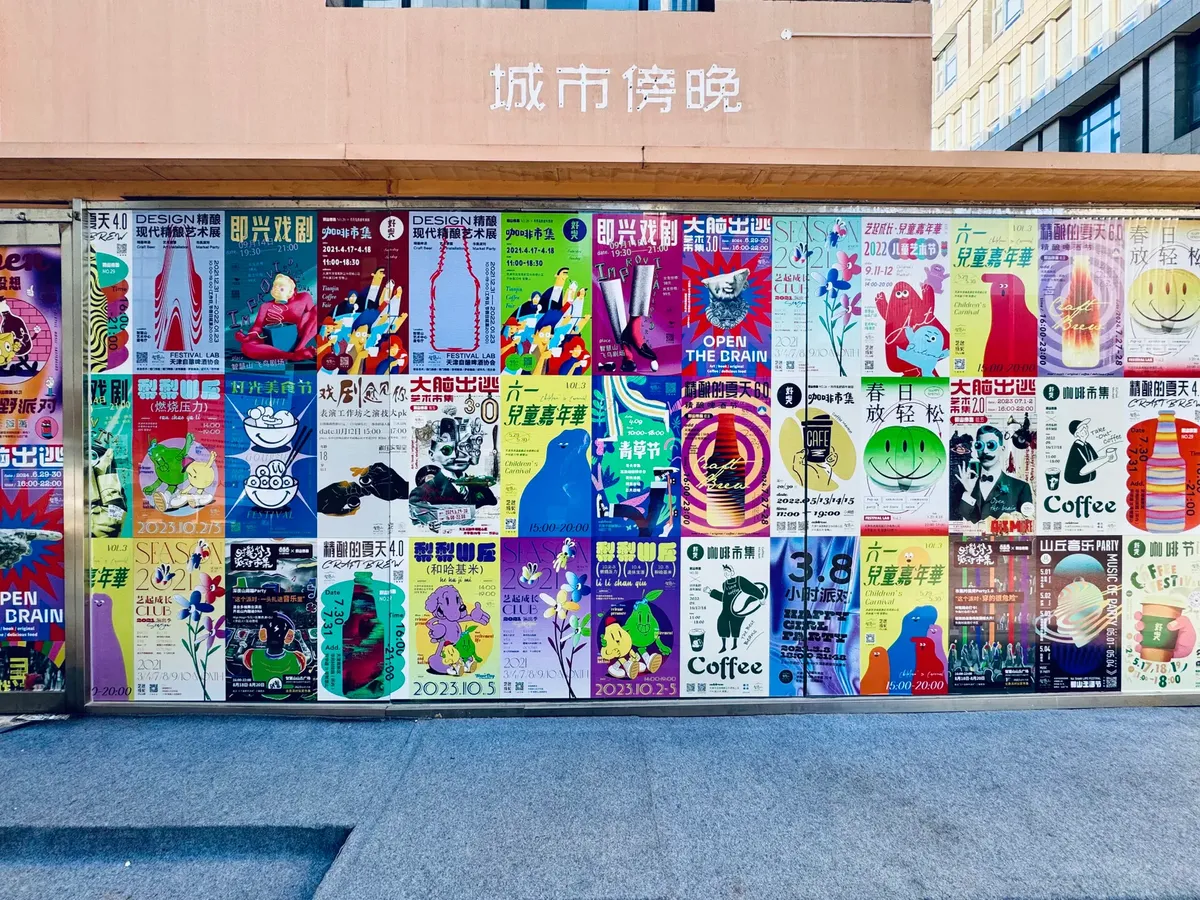
Genre-bending is another significant aspect of these trends. Korean cinema poster trends often feature unexpected juxtapositions, such as placing a bright, colorful character in a dark, gritty setting to hint at a complex plot. This creates a sense of intrigue that drives ticket sales.
Contemporary Korean poster design often blends high-concept minimalism with striking, cinematic lighting. There is a notable shift toward atmospheric imagery that prioritizes mood over literal plot representation.
How to use visualizing film through posters for better understanding?
A viewer stares at a poster in a darkened theater lobby, trying to decode the meaning of a character's expression. This is the act of visualizing film through posters.
By practicing the art of visualizing film through posters, an audience member can better prepare for the emotional impact of a movie. This technique involves looking for hidden symbols or metaphors that hint at the film's deeper themes.
It turns the simple act of looking into an engaging mental exercise.
Understanding the relationship between the image and the script is vital. Through visualizing film through posters, one learns to see the poster not just as an advertisement, but as a piece of art that summarizes the film's soul. This perspective enriches the overall cinematic experience.
To use posters as a tool for understanding filmic narratives, follow these steps: 1. Identify the central visual metaphor used to represent the film's core conflict. 2. Analyze the color temperature and lighting to determine the intended emotional landscape. 3. Evaluate the spatial arrangement of characters to understand the power dynamics within the story.
Applying visual analysis to specific films
A student compares the poster of a classic film to a modern blockbuster to see how styles have evolved. This application of visual analysis helps bridge the gap between eras.
When applying these techniques to a specific film, one must look at the specific elements provided.

This high rating in a niche context might suggest a specific type of artistic or cult appeal reflected in its visual presentation.
- Identify the primary color palette and its emotional tone. 2. Analyze the placement and scale of the main characters. 3. Examine the typography and how it interacts with the background. 4. Final check: Does the visual message align with the known genre?
I found that comparing the font weight of a title to the brightness of the background significantly changed my perception of the film's intensity.
A limitation of this analysis is that it relies heavily on the viewer's subjective interpretation of visual cues, which may not always align with the director's intent.
Applying visual analysis requires bridging the gap between abstract design elements and the specific narrative context of a film. By examining how specific textures or framing techniques reflect character arcs, one can decode the underlying themes of the work.
World Bank
Wikipedia: The Host (2006 film)
Related




Comments 0