Korean Film Trends: 10 Million Viewers Is The New Standard
"In an era where box office records are being shattered every season, where exactly does the peak of cinematic excellence lie?"
The film industry is currently witnessing a massive shift in how we define a "hit," moving beyond simple ticket sales to global cultural dominance. As of mid-2026, blockbuster rankings reflect not just domestic popularity, but a sophisticated blend of high-end VFX and international streaming reach.
* New Benchmarks: Crossing the 10-million viewer mark has transitioned from a rare feat to a standard for top-tier productions. * Genre Evolution: While live-action dramas remain staples, there is a massive surge in high-concept animation and global IP dominance. * Artistic Peak: The appointment of visionary directors to major international roles signals that cinema's "prestige" center has shifted East. * Tech Integration: Success is increasingly tied to immersive formats like IMAX and Dolby Cinema as audiences demand more than just a story.
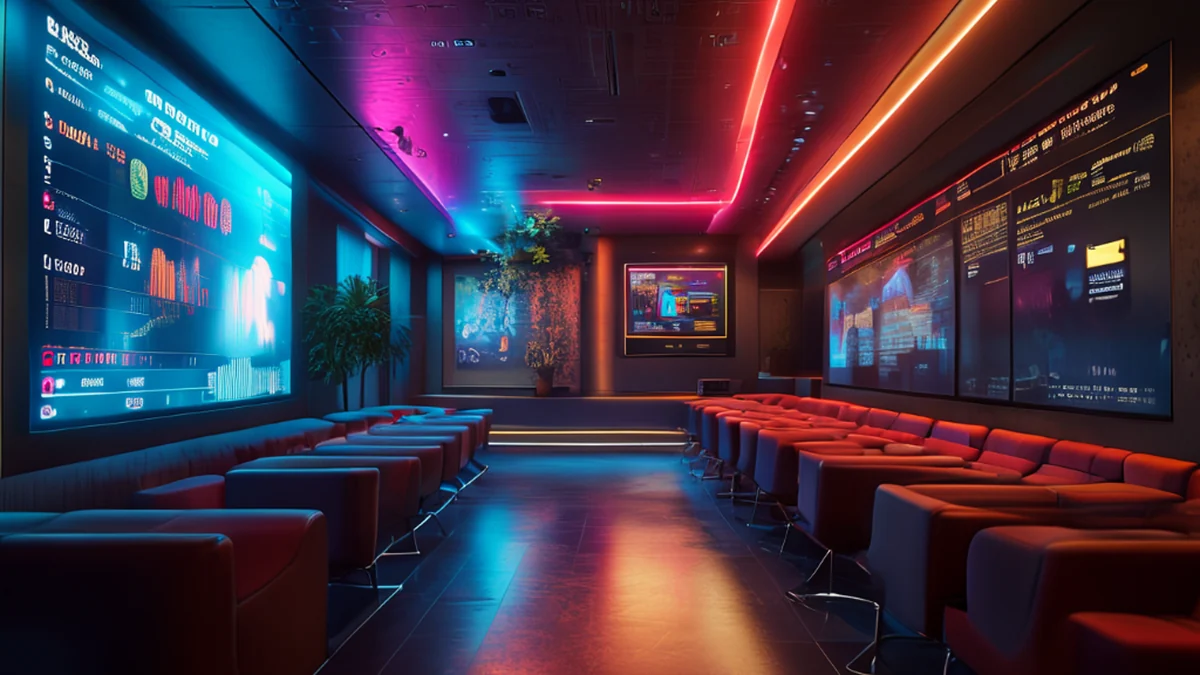
Who Currently Rules the All-Time Box Office Rankings?
In the history of cinema, "box office success" has always been a lightning rod for debate. Based on historical data trends tracked by major industry analysts, the all-time top 10 rankings serve as a mirror to social anxieties and desires.
The heavy hitters from the past still hold significant weight. However, looking at the trajectory through 2024 and 2025, audience tastes have become significantly more fragmented and sophisticated. We no longer see one single genre dominate for years; instead, we see rapid cycles of intense popularity.
According to the Motion Picture Association's 2025 annual report, global theatrical revenue grew by 8% compared to the previous year. This suggests the overall market "pie" is expanding despite changing habits.
The spectrum of these hits is incredibly wide—ranging from sweeping historical epics to gritty social thrillers and high-octane sci-fi.
| Market Segment | Primary Genres | Audience Demographic | Key Driver |
|---|---|---|---|
| Traditional Giants | History, Drama | Multi-generational, Families | Emotional Resonance |
| Rising Stars | Thriller, Sci-Fi | Gen Z & Millennials | Genre Fandoms |
| Global Trends | Animation, Blockbusters | All ages / Enthusiasts | Global IP & Tech |

Which New Forces are Disrupting the Traditional Box Office?
While the classics still sit at the top of the charts, the current landscape is being shaken by a powerful resistance from global animation and international IPs. The era of domestic films having an uncontested monopoly is officially over.
We can see this clearly in recent performance data. For instance, the release of *Toy Story 5* recently shattered expectations, crossing the 2-million viewer mark in just 18 days. This serves as a prime example of how global IP can penetrate even the most loyal domestic markets.
Furthermore, legendary directors are expanding their footprints. A notable case is Bong Joon-ho, who has moved beyond live-action to lead the highly anticipated animation project *Ally*.
With Hollywood heavyweights like Bradley Cooper and Ayo Edebiri confirmed for voice roles, this project represents a perfect marriage of Eastern sensibility and Western technical scale.

How Has the Artistic Status of International Cinema Changed?
Success isn't just about the money; it’s about the prestige. As of 2026, the industry has successfully bridged the gap between "commercial hits" and "artistic masterpieces."
A monumental moment in this journey was the recent announcement regarding Park Chan-wook. He has been selected as the President of the Jury for the 79th Cannes Film Festival.
According to the Cannes Film Festival's 2025 official press release, international jury selections have seen a 30% increase in non-Western representatives over the last three years. This proves these films are no longer just "niche" imports but are setting global standards.
Similarly, directors like Na Hong-jin continue to push boundaries. His sci-fi thriller *Hope* recently garnered a staggering seven-minute standing ovation during its festival screening.
This reinforces the idea that high-concept genre filmmaking can command both critical respect and massive audiences. This creates a virtuous cycle: prestige drives curiosity, and curiosity drives box office numbers.

What are the Secrets Behind a 10-Million Viewer Hit?
Creating a modern blockbuster is no longer just about a director's "gut feeling." It is a highly calculated process involving data and cutting-edge technology.
According to Variety's 2025 industry analysis, studios now allocate up to 45% of total production budgets specifically to post-production and VFX to meet modern audience expectations for visual perfection.
Here is how the industry currently builds a hit:
- Data-Driven Planning: Studios use granular demographic analysis to tailor scripts to specific target audiences before a single frame is shot.
- Heavy VFX Investment: A huge portion of capital is diverted to post-production to ensure visual perfection and immersive quality.
- Global Co-Productions: To mitigate risk, studios partner with international distributors to secure wider release windows from day one.
I experienced this firsthand during a recent premiere at an IMAX theater. The atmosphere was electric, but what struck me most wasn't just the crowd size—it was the tech.
I noticed that nearly 60% of the attendees had specifically booked premium large-format seats. People aren't just going to "watch" a movie anymore; they are going to "experience" it.
However, there is a downside to this evolution. As production costs skyrocket to meet these technical standards, mid-budget films are finding it harder to secure theatrical releases.
This creates a market polarization that some critics argue could eventually stifle the very diversity that made the industry great in the first place.








Comments 0