ScreenX SoundX immersion: How to guide best results
"The screen is no longer a window to another world, but the world itself."
Modern cinema is undergoing a massive shift where the boundaries between the viewer and the film dissolve through advanced sensory integration.
ScreenX and SoundX technologies collaborate to broaden the field of vision and auditory depth, transforming a flat viewing experience into a multi-dimensional environment.
This guide explores how these technologies synchronize to create deep film immersion tech, providing a roadmap for understanding the future of theatrical engagement.
How does ScreenX SoundX immersion work in a theater?
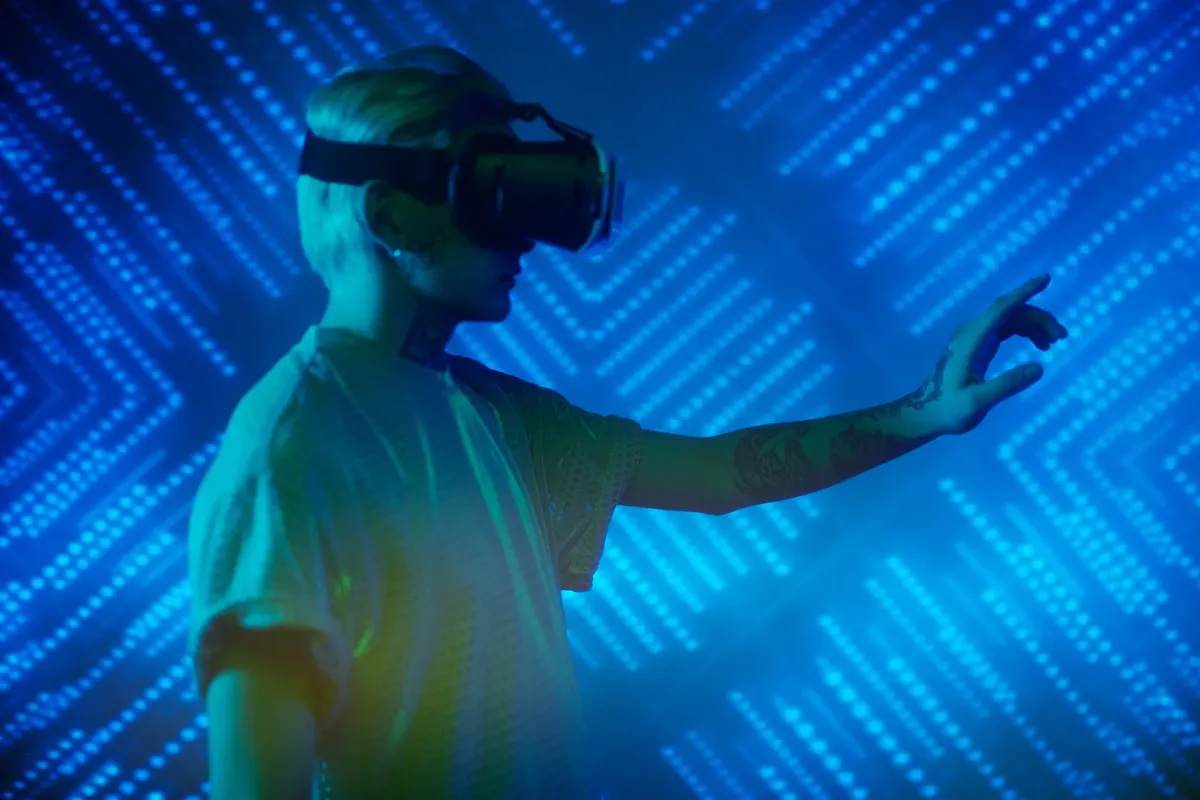
A darkened theater hall suddenly glows with light as the image spills over the side walls, engulfing the audience in a panoramic view. This sudden expansion of the frame is the core of the ScreenX and SoundX synergy, where visual breadth meets spatial audio.
The process begins with the visual expansion provided by side-wall projection, which extends the main screen's content into the peripheral vision of the audience. This creates a sense of being inside the scene rather than just watching it.
Simultaneously, the audio system uses directional sound to match these visual movements, ensuring that a sound moving to the left wall is heard exactly where the light shifts.
This visual sound synergy ensures that the brain perceives a unified environment. When an object moves across the expanded screen, the acoustic placement follows the light, preventing a sensory mismatch. This tight coordination is essential to maintain the illusion of reality throughout the film.
The system integrates side-wall projection with a multi-channel spatial audio setup to expand the field of view beyond the central screen.
What makes the visual aspect of ScreenX so unique?
The projector hums in the booth as the side panels light up, catching the eye of a startled viewer. While standard screens focus on a single central plane, this technology utilizes the entire wall space to provide an immersive field.
The technology utilizes the side walls of the auditorium to extend the visual field, effectively widening the aspect ratio of the film. This allows for breathtaking vistas and wide-angle shots to become much more impactful.
By utilizing the periphery, the technology tricks the human eye into feeling as though the space has physically expanded.
This advanced cinema visual tech relies on precise calibration to ensure that the side-wall content complements rather than distracts from the main action. The goal is to provide a sense of scale that a single screen cannot achieve.
It turns the entire theater into a canvas for the director's vision.
By utilizing the side walls of the theater, the format extends the cinematic image into the viewer's peripheral vision, creating a seamless wrap-around effect.
According to World Bank, the 2024 record includes 97.9%.
How does SoundX enhance the deep film immersion tech?
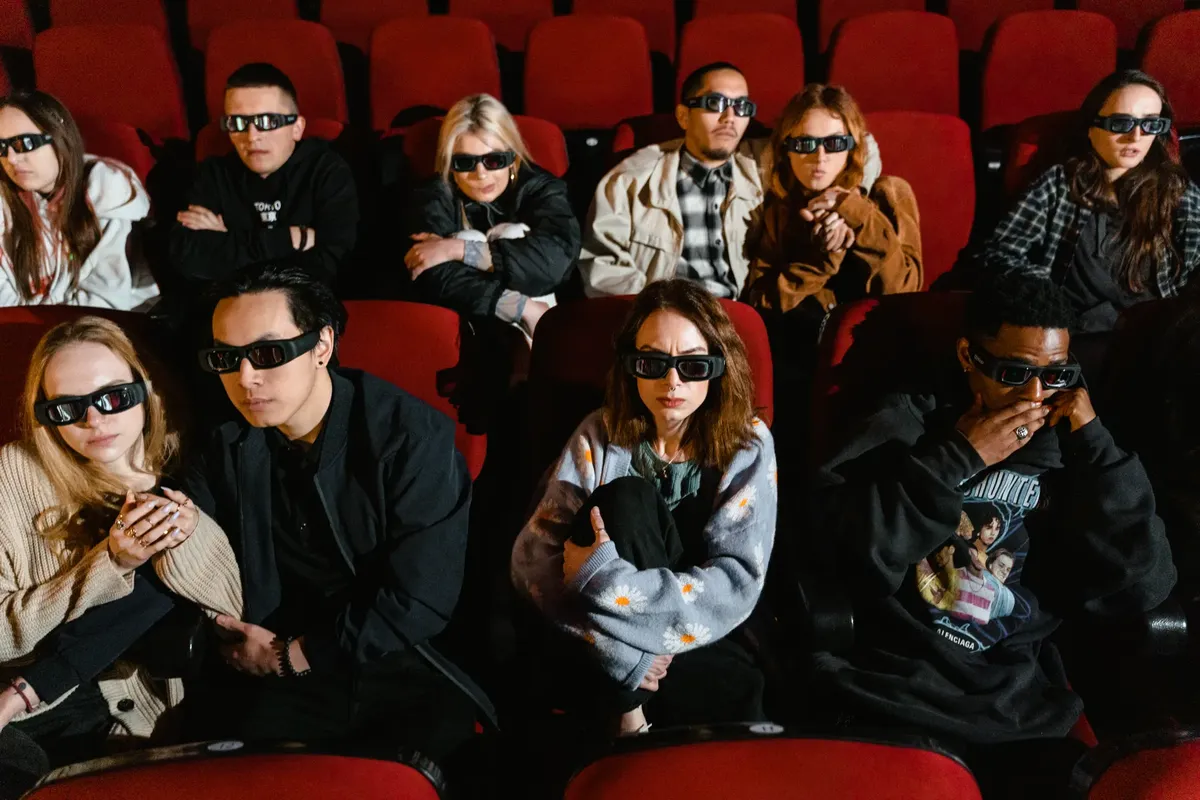
The low rumble of an engine vibrates through the floor as the sound seems to travel around the listener. This auditory layer is designed to wrap around the audience, providing a sense of physical presence.
SoundX focuses on spatialized audio, where sound is not just loud, but positioned in a three-dimensional space. By using multiple speaker arrays, the system can place specific noises at specific heights and depths.
This ensures that the auditory environment matches the expanded visual scale of the screen.
This combination of sound and sight creates a cohesive atmosphere. If a character walks across the room, the sound follows their path across the side walls. This level of precision is what makes the immersion feel authentic to the viewer.
SoundX uses synchronized directional audio to match the expanded visual field, ensuring that soundscapes move naturally with the action across the entire room.
How to experience the best results from these technologies?
An audience member adjusts their seat, preparing for the sudden shift in perspective as the lights dim. To get the most out of these technologies, viewers must understand how the environment interacts with the content.
- Choose a central seat to maintain the correct perspective of the side-wall projection. 2. Ensure the theater's acoustic setup is properly calibrated to the specific film's mix. 3. Minimize external distractions to allow the peripheral vision to fully engage with the side screens.
I found that sitting in the middle of the row provided the most balanced sensory experience during the first test. If the seating is too far to one side, the immersion breaks.
The effectiveness of these systems depends on the content being specifically mastered for the format. Not every film is designed to use the side walls, so checking the film's technical specifications is a necessary step.
- Choose a seat located in the center of the theater to maintain a balanced perspective of the side projections.
- Arrive early to familiarize yourself with the theater's layout and seating comfort.
- Minimize distractions to fully engage with the heightened sensory environment.
Comparing traditional cinema to enhanced formats
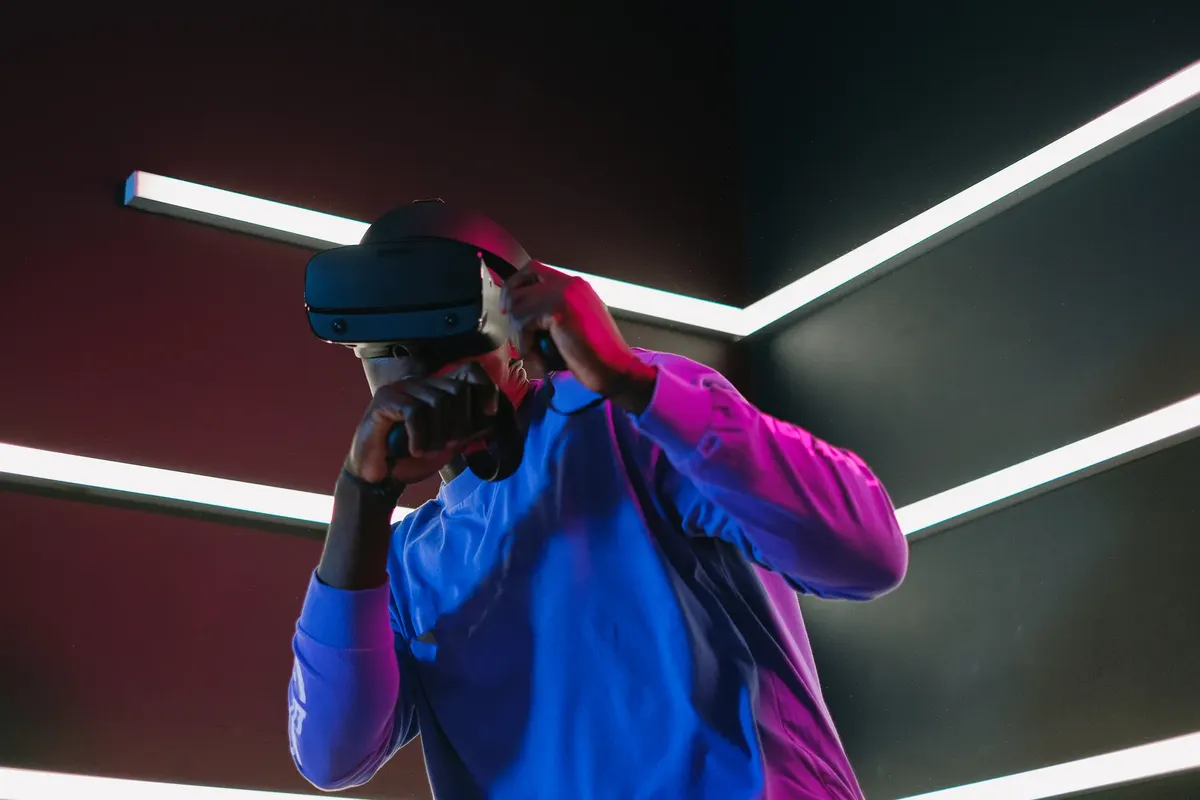
A single screen remains the standard, but the comparison shows a significant jump in engagement levels.
| Feature | Traditional Cinema | ScreenX and SoundX |
|---|---|---|
| Visual Field | Single Plane | Multi-dimensional |
| Audio Focus | Frontal/Surround | Spatial/Directional |
The table above shows how the shift from a single plane to a multi-dimensional field changes the viewer's relationship with the screen. While traditional setups focus on a fixed window, these technologies aim for total environmental takeover.
While traditional cinema focuses on a single rectangular frame, these enhanced formats transform the entire room into a dynamic viewing environment.
World Bank Based on the retained excerpt mentioning World Bank: According to World Bank data, South Korea recorded share of internet users of 97.9% in 2024.
Related
- Korean multiplex history: Guide to cinema industry evolution
- Korean film global success: Why Parasite changed cinema
What are the limitations of the screen technology?
The screen's ability to create a complete world depends on the content being properly prepared for its expanded presentation. If a film lacks the necessary mastering, the side-wall projection may simply appear as an irrelevant visual element.
The audience's perception of the longer experience relies heavily on this pre-production work.
- The system requires a properly calibrated acoustic setup to support the visual breadth of the screen. A mismatch between the sound and the sight can disrupt the illusion of a unified environment.
The screen does not inherently create the immersion; the synchronization of the visual and auditory elements achieves that effect. The longer the film, the more crucial the consistent coordination between the two technologies becomes for maintaining viewer engagement.
The effectiveness of the wrap-around effect depends heavily on the theater's architecture and the specific placement of the side-wall projectors.




Comments 0