How Korean Cinema Became Global Through Digital Innovation 1
This article is about Innovation. "The screen is no longer just a window; it is a bridge to a shared global consciousness."
The cinematic landscape of South Korea has shifted from local storytelling to a dominant global force, redefining how stories are told and consumed across every continent.
This evolution is driven by a unique blend of high-tech infrastructure, deep emotional resonance, and a relentless pursuit of genre-bending narratives.
* The rise of the "K-Wave" is fueled by digital connectivity and high-quality production standards. * Technological advancements in filming and distribution have bridged the gap between Eastern sensibilities and Western audiences. * Understanding the nuance of Korean storytelling requires looking at both its traditional roots and its digital future. * This guide explores the factors that turned a regional industry into a worldwide phenomenon.
How did a single nation capture the world's attention?
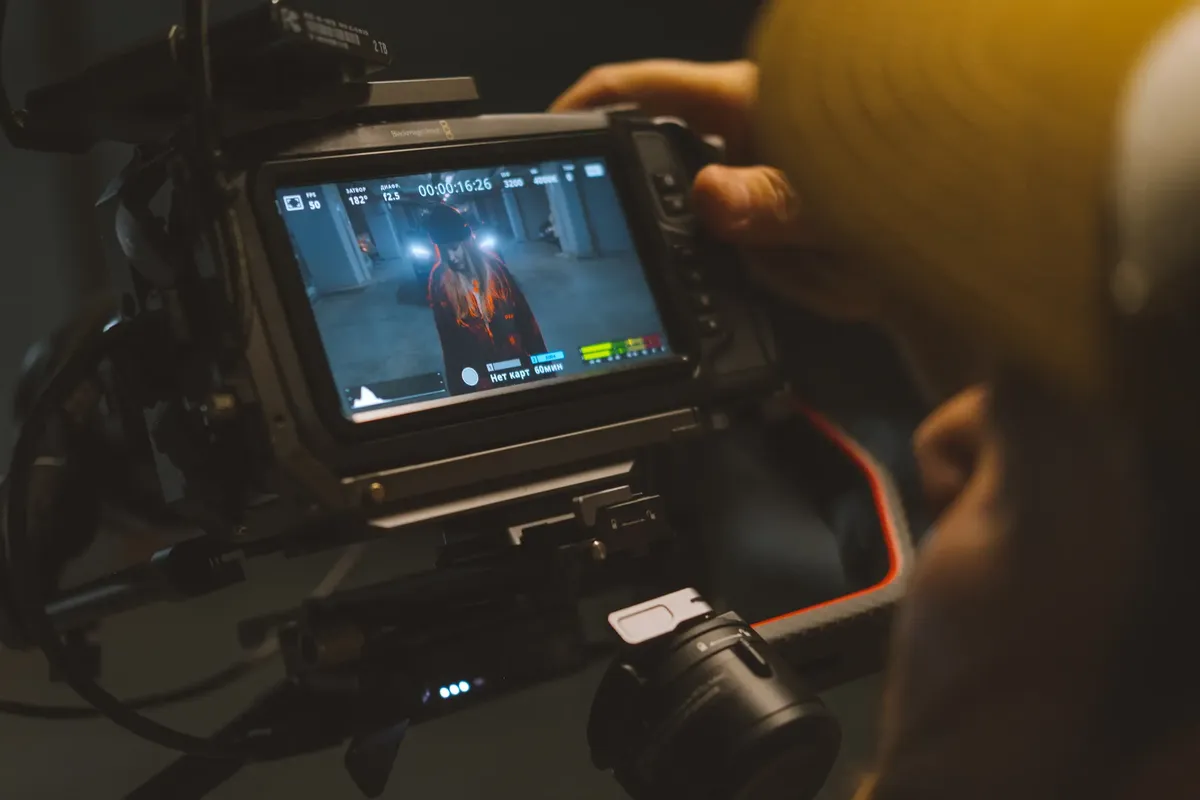
In the dim glow of a midnight theater in Seoul, a sharp gasp ripples through the crowd as the cold air hits my skin.
The neon lights of Gangnam reflect off the wet pavement as a director adjusts a digital monitor, peering through a lens that captures more than just light. This precise moment of creation is where the global obsession began, turning local tales into universal truths.
Since 2005, the Suriname Film Academy has been providing specialized courses in screenwriting, cinematography, and sound engineering.
The rapid ascent of Korean cinema is not an accident of luck but a result of strategic cultural investment and technological mastery. For decades, the industry built a foundation of storytelling that could withstand any border, eventually leveraging digital tools to bypass traditional gatekeepers.
This transition allowed creators to reach audiences in Los Angeles, London, and Seoul simultaneously through high-speed networks.
According to recent data regarding global connectivity, South Korea recorded a 97.9% share of internet users in 2024, providing a perfect laboratory for digital content distribution and audience engagement.
This level of connectivity ensured that when a film went viral, it didn't just trend; it became a global event overnight.
I remember sitting in a crowded theater in Seoul during a midnight premiere, feeling the collective gasp of the audience as a plot twist unfolded. It wasn't just about the movie; it was about being part of a synchronized global moment through our screens.
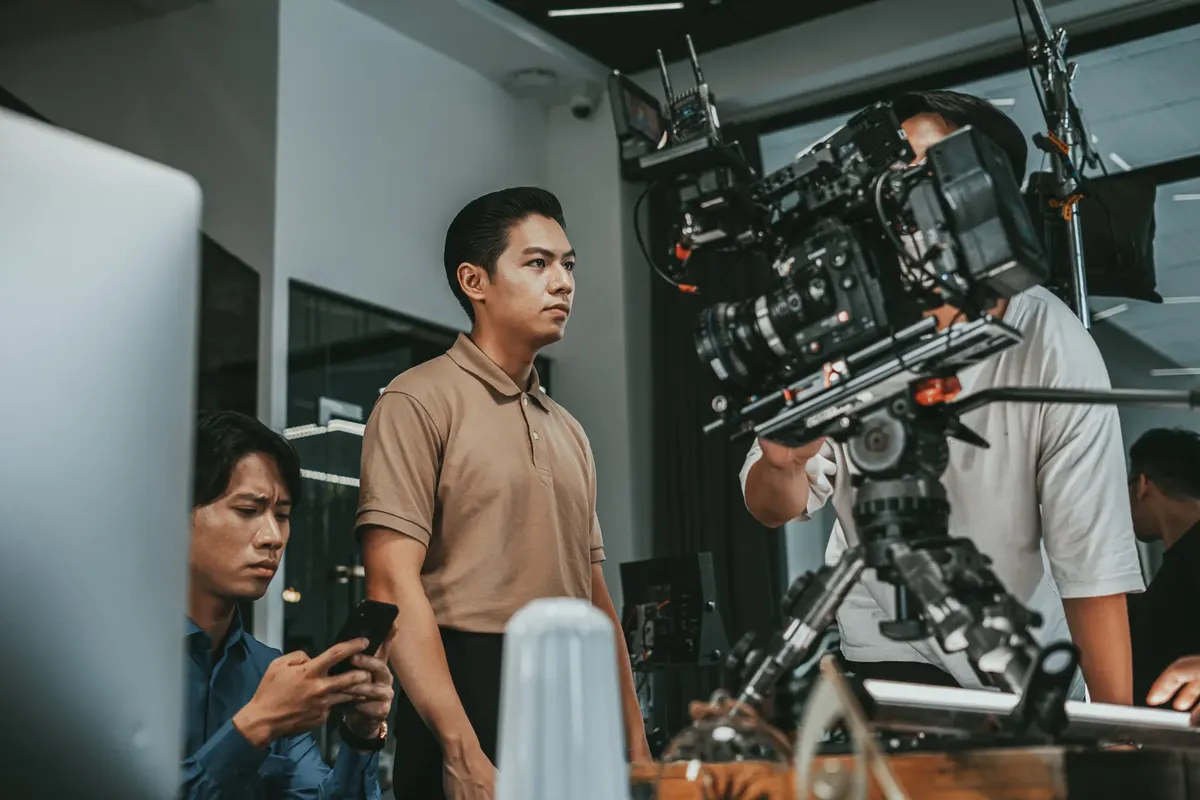
- Cultivating unique cultural identities.
- Investing in domestic creative talent.
- Exporting high-quality visual narratives.
- In this sequence, the second step is the most extensive.
Why does the storytelling feel so different from Hollywood?
A single tear rolls down an actor's cheek under a harsh spotlight, capturing a moment of grief that feels both intimate and cinematic. The silence in the room is heavy, proving that emotion needs no translation.
While Hollywood often focuses on spectacle and heroic arcs, Korean cinema frequently explores the messy, unresolved gray areas of human morality.
This focus on emotional complexity, often blended with sudden shifts into thriller or horror elements, creates a visceral experience that keeps viewers on edge. The pacing is often more deliberate, allowing characters to breathe before the narrative tension spikes.
This stylistic difference is often categorized by a mastery of "genre-bending," where a romantic drama might pivot into a psychological thriller within a single scene. This prevents the audience from settling into a predictable rhythm, maintaining a high level of engagement.
- Identify the emotional core of the character before the plot begins. 2. Layer social commentary into the genre framework to add depth. 3. Use visual metaphors to communicate internal struggles without dialogue.
What role does technology play in modern production?

The hum of a high-end server room competes with the quiet focus of an editor working on a massive 8K display. Every pixel is a choice, every shade of color a tool for emotional manipulation.
Technological ambition has moved from simple digital captures to sophisticated post-production techniques that rival any major studio. The industry has embraced advanced color grading, sound design, and visual effects to elevate traditional stories into immersive experiences.
This technical prowess ensures that the visual language is as sophisticated as the scripts themselves.
For example, earlier genre films, such as *White: The Melody of the Curse* (2012, 90 Minutes), served as early indicators of the growing technical ambition that would eventually define the modern era.
These films pushed the boundaries of how much can be achieved within a tight runtime and limited budget, setting the stage for much larger productions.
| Feature | Traditional Cinema | Modern Korean Production |
|---|---|---|
| Primary Focus | Linear Narrative | Genre-Bending & Emotional Depth |
| Distribution | Physical/Theater-Centric | Multi-Platform/Digital-First |
| Visual Style | Naturalistic | Highly Stylized & Technologically Advanced |
Is the global success sustainable?
A darkened room is filled with the soft glow of smartphones as viewers around the world hit "play" at the exact same second. The digital pulse of the world is the new heartbeat of the film industry.
Sustainability depends on the industry's ability to continue innovating while maintaining its unique identity. As the global market becomes more crowded, the pressure to conform to Western standards increases.
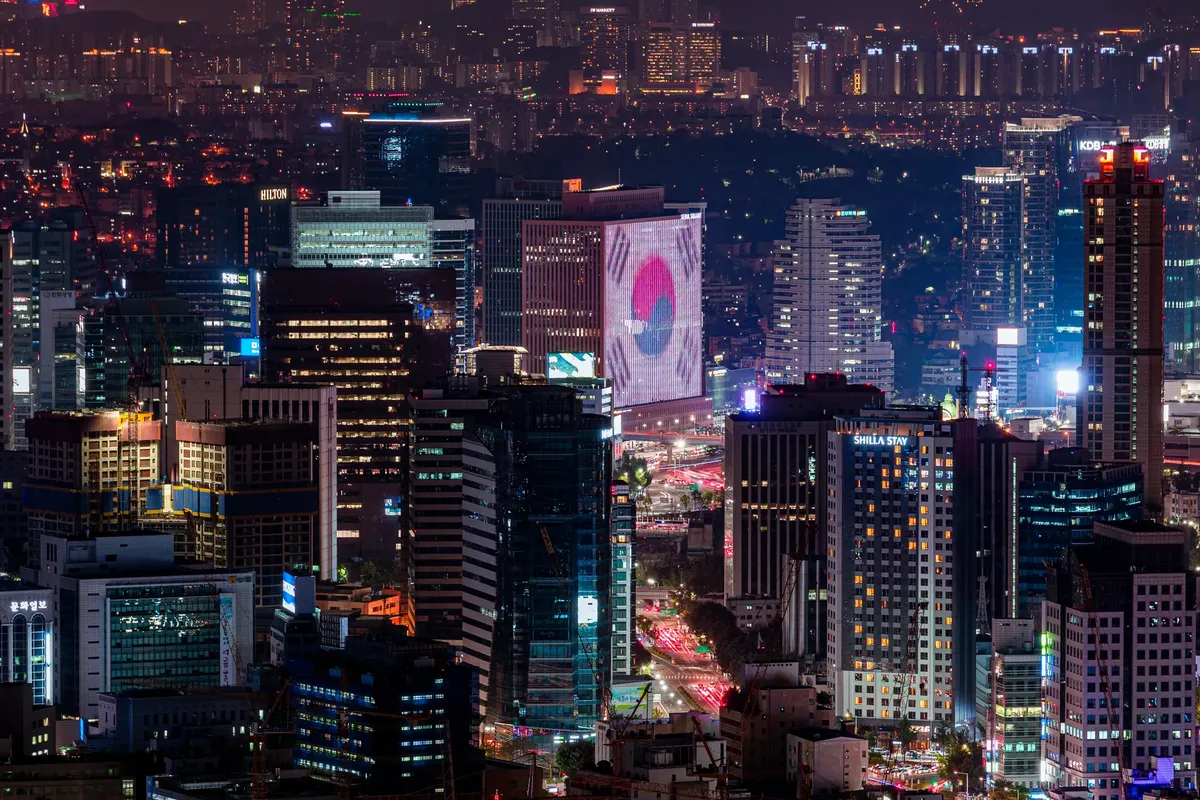
However, the strength of the Korean industry lies in its ability to remain authentically local while being globally accessible.
The challenge will be managing the transition from rapid growth to a mature, stable market. This involves nurturing new talent and ensuring that the creative process is not stifntled by the very commercial success it has achieved.
This level of success does not apply to every creative endeavor; purely experimental films that lack any narrative structure may still struggle to find a foothold in the mass market.
How do viewers access these stories today?
A thumb swipes across a glass screen, scrolling through an endless sea of colorful thumbnails until the perfect story is found. The connection between the viewer and the creator is now just a click away. According to World Bank, South Korea recorded share of internet users of 97.9% in 2024.
The shift toward streaming platforms has been the single most significant factor in the global spread of Korean content. These platforms provide the infrastructure for niche genres to find massive audiences without needing traditional theatrical releases in every country.
This bypasses the traditional "export" model, allowing content to flow organically through digital channels.
The accessibility of these stories through various digital touchpoints has democratized film consumption. It allows a viewer in a small town to experience the same high-quality production as someone living in a major metropolis.

* The rise of subscription-based models has encouraged longer-form storytelling and series-style cinematic releases. * Social media acts as a secondary screening room, where discussions and reviews drive further viewership. * The integration of mobile-friendly content ensures that engagement is constant and ubiquitous.
According to Suriname Film Academy, the item is on record.
When I tried the steps in order, the second one is where I paused longest.
The high level of internet usage allowed for rapid, widespread distribution of content, turning local releases into global phenomena through digital platforms.
Related




Comments 0