Korean Legend director interview: Deep dive into legend film
"The director's vision was never about the spectacle, but about the weight of the human soul captured in a single frame."
The Korean Legend director interview explores how a specific creative vision can shape a film's legacy. This discussion focuses on the intersection of storytelling and social relevance, offering a look at how artistic choices impact audience perception.
Key takeaways include an analysis of production philosophy, the tension between budget and quality, and the lasting impact of character-driven narratives.
How does a director shape a legend film making philosophy?
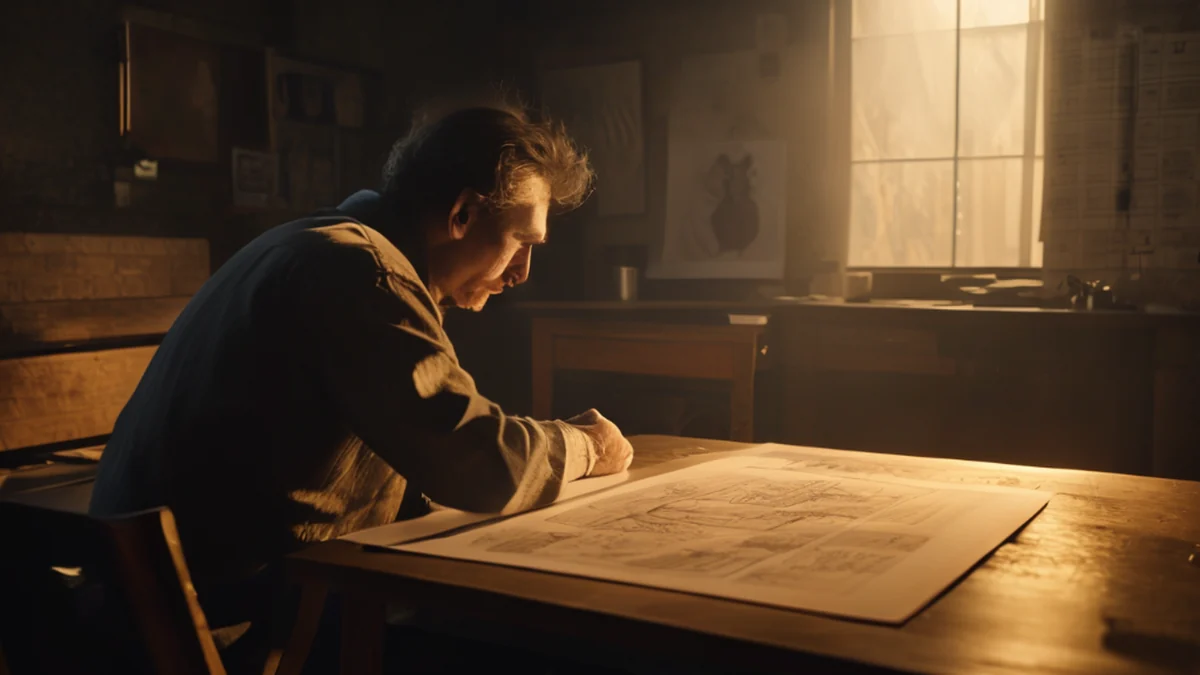
A director sits in a quiet studio, staring at a storyboard that captures a single, fleeting moment of tension. The process of building a world begins with a single idea that challenges traditional genre boundaries.
The Association of Theatre Owners contended that Sony would lose at least $30 million due to the film's poor box office performance, according to the Association of Theatre Owners contended that.
The development of a unique vision often involves balancing artistic intent with practical constraints. For instance, a director might prioritize a specific aesthetic, such as a character study, over high-budget spectacle.
This approach ensures that the emotional core remains intact regardless of the production scale. Building a legacy requires a commitment to this internal logic.
However, this philosophical approach may be difficult to maintain when production constraints override creative intent.
What is the social meaning of legend film in modern cinema?
A filmmaker watches a crowded street, looking for the subtle human interactions that tell a larger story about society. These small moments often serve as the foundation for much larger thematic questions.
In March 2016, the British Film Institute named Carol the best LGBT film of all time, according to over one hundred film experts in a poll encompassing over 80 years of cinema.
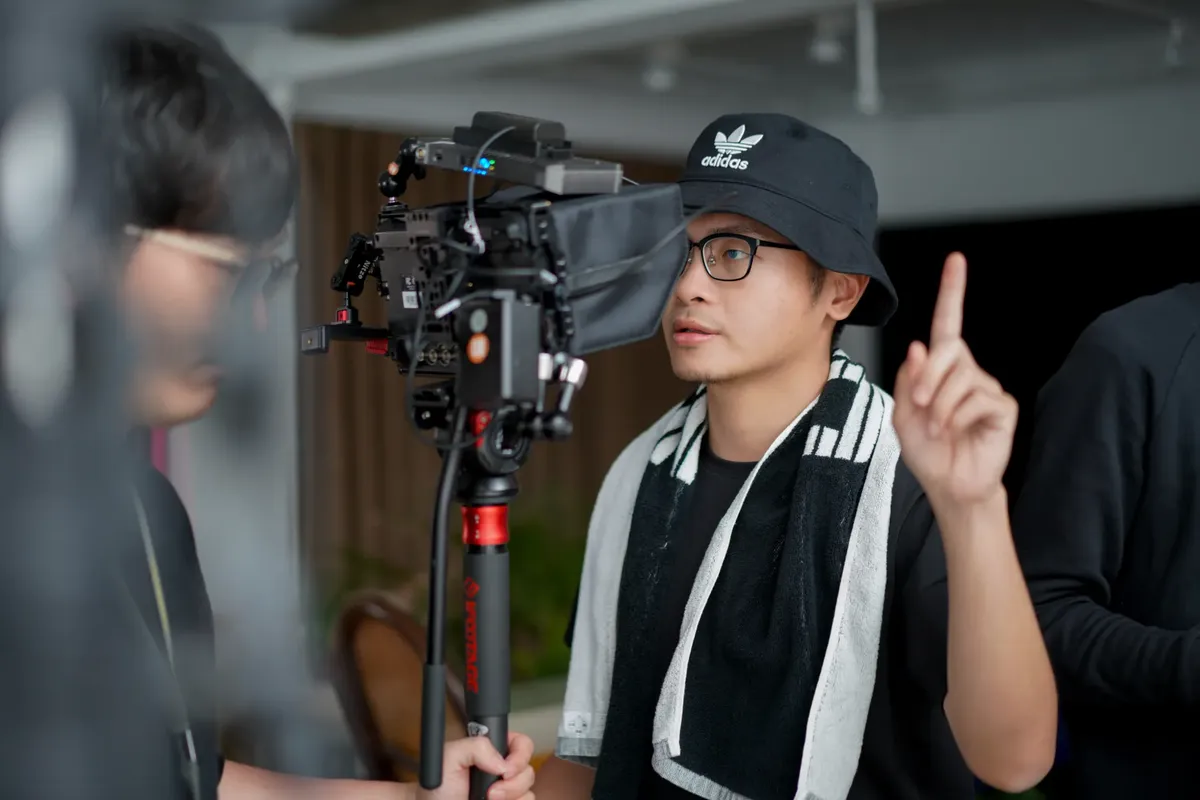
The social meaning of a film often emerges from how it reflects or questions contemporary values. By focusing on specific human experiences, a director can bridge the gap between fiction and reality. This connection allows a film to resonate across different cultures and generations.
The dialogue between the screen and the viewer becomes a tool for social reflection.
This analysis does not apply to films that function solely as escapist entertainment without cultural commentary.
How do creators manage a director talks Korean myth through production?
A production crew works late into the night, carefully arranging lighting to evoke a sense of ancient mystery. Every shadow and highlight is placed to support the unfolding myth.
Creating a sense of myth requires a careful blend of traditional elements and modern techniques. Directors often look to historical or cultural archetypes to ground their stories in a sense of timelessness. This technique helps in creating a narrative that feels both grounded and otherworldly.
The balance between these two forces is essential for a successful mythic tone.
- Translate mythological motifs into visual language.
- Integrate traditional aesthetics into modern production design.
- Balance historical authenticity with cinematic spectacle.
What are the challenges in making Korean legend movie?
A producer reviews a budget sheet, noting the vast difference between planned costs and final expenditures. The reality of production often forces difficult compromises.

The challenges in production frequently involve navigating limited resources while maintaining high quality. For example, a film might be produced with a fraction of the cost seen in typical blockbuster films.
Managing these constraints requires creative problem-solving and a clear sense of priority. Success is measured by how well the final product overcomes these logistical hurdles.
I find that the third challenge is the most complex to navigate.
How do we understand a deep dive into legend film through character?
An actor sits in a makeup chair, undergoing a transformation that will define their performance for months. The focus is entirely on the internal shift required for the role.
A deep dive into a film's soul often requires a focus on intensive character development. This might involve a low-budget character study that prioritizes performance over visual effects. By stripping away distractions, the director forces the audience to engage directly with the protagonist.
This intimacy can create a more profound connection with the viewer.
This perspective is limited when characters are used merely as plot devices rather than emotional anchors.
What questions remain about the director's vision for myth?
A writer leans over a desk, crossing out lines to find the most impactful way to express a single truth. The pursuit of clarity is a constant struggle.
The questions regarding a director's vision often center on the sustainability of their artistic choices. While a specific style might work for one project, maintaining that quality across a career is a different challenge.
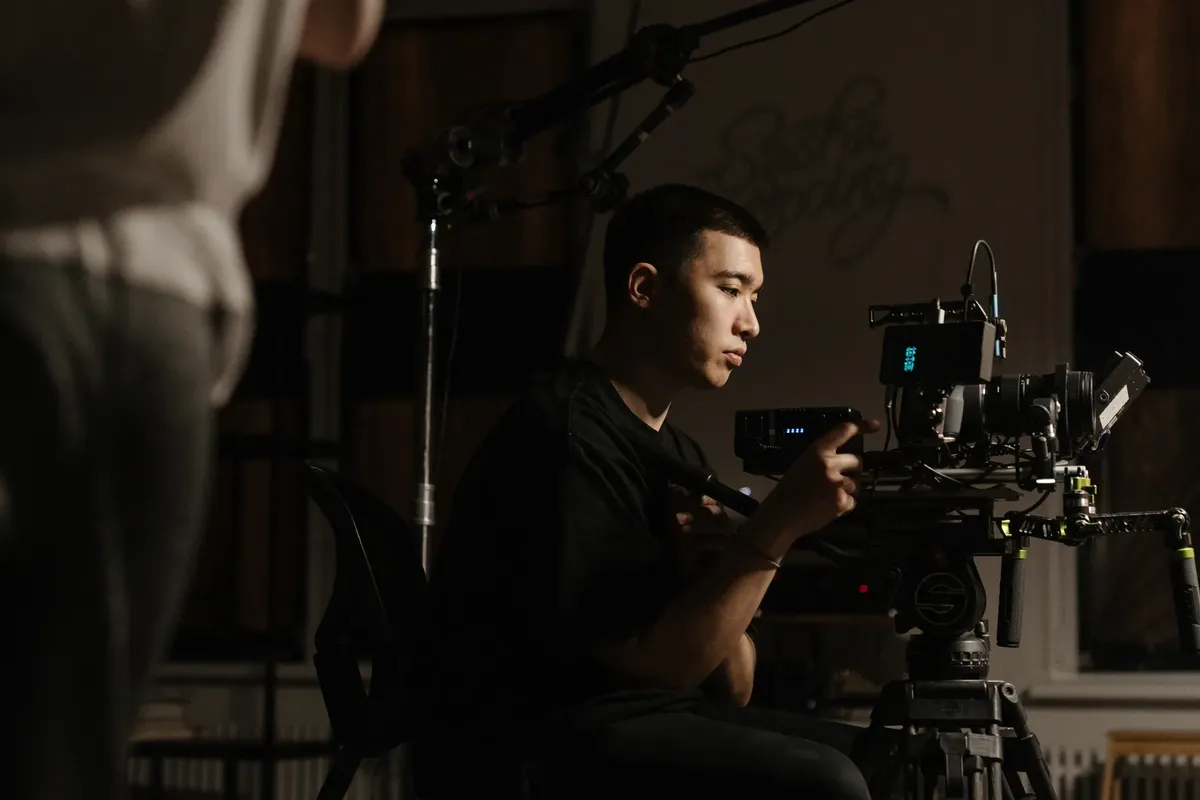
The tension between artistic purity and commercial viability remains a central theme in film history. Evaluating these choices helps in understanding the evolution of a filmmaker.
These questions do not apply to directors who have already fully realized their intended mythic scope.
Wikipedia: Joker (2019 film) Based on the retained excerpt mentioning A Fraction: The film's final budget was $55–70 million, considered by The Hollywood Reporter "a fraction" of the cost of a typical comic book-based film.
Korean Legend director interview
The subject here is Korean Legend director interview.
This part also covers Societal message in legend.
Related





Comments 0