Korean Action Cinema Evolves: Stunt Tech Boost 50% Spectacle
"The adrenaline you feel during a high-octane chase sequence isn't just magic; it's the result of a calculated collision between human grit and cutting-edge engineering."
Korean action cinema has evolved from gritty, low-budget martial arts brawls into a global powerhouse of high-tech spectacle. This transformation is driven by a sophisticated blend of elite physical stunt performers and advanced digital integration.
* Technological Shift: Modern Korean films have moved from purely practical stunts to a seamless hybrid of physical performance and high-end VFX. * Professionalization: Stunt teams are no longer just "background muscle" but specialized coordinators who manage complex safety and choreography. * Economic Strength: The high technological standard of South Korean manufacturing often mirrors the precision seen in their film production infrastructure. * Storytelling Synergy: Action sequences are now integral to the narrative, rather than just being "filler" between dialogue scenes.

What defines the modern landscape of Korean action filmmaking?
The heavy scent of burnt rubber hangs in the air as a black sedan drifts around a tight corner in a neon-lit Seoul alleyway. A camera operator ducks just in time to avoid a flying piece of debris, capturing the raw intensity of a high-speed pursuit.
The preservation of cinematic history remains a challenge, as the Film Foundation estimates that more than 90% of American films produced before 1929 are lost.
The current trend in Korean cinema favors high-budget, high-stakes action that demands massive visual scale. While older films often relied on "gritty" realism—think dark rooms and unpolished, bone-crunching fights—today's blockbusters lean into spectacular, large-scale set pieces.
Projects involving stars like Ma Dong-seok often push this boundary, blending heavy-hitting physical combat with cinematic grandeur.
This evolution isn't just about bigger explosions. It is about the integration of advanced visual effects (VFX) that work in tandem with physical stunts to achieve a level of realism that was previously impossible.
The goal is to create a "spectacle" that feels grounded in reality, even when the physics suggest otherwise. But this scale brings a massive logistical burden that most viewers never see.
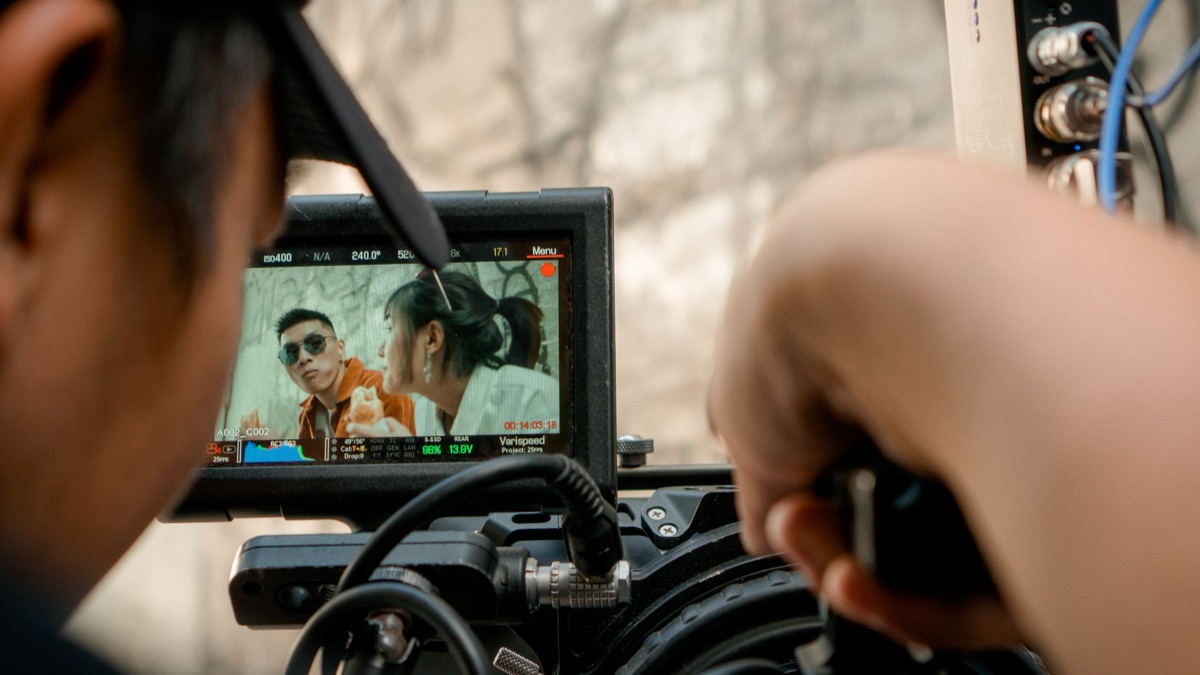
How has the technical skill of stunt performers evolved in Korea?
A performer grips a cold metal bar, their knuckles white, as they prepare to drop twenty feet onto a padded mat. The silence on set is absolute, broken only by the distant hum of a generator, as the stunt coordinator counts down the final seconds of the rehearsal.
The technical skill of the performers has undergone a massive transition. In the early days of Korean action, stunts were primarily rooted in traditional martial arts. Today, the discipline has expanded to include modern acrobatics, high-risk tactical movements, and complex vehicular choreography.
This evolution requires intense training rigor. Performers now work under specialized stunt coordinators who implement strict safety protocols that were often overlooked in decades past.
This professionalization ensures that while the sequences look life-threatening, the risk to the human body is scientifically managed.
| Feature | Traditional Korean Action | Modern Korean Action |
|---|---|---|
| Primary Style | Martial arts & hand-to-hand | Hybrid (Acrobatic, Tactical, Vehicular) |
| Safety Focus | Minimal/Reactive | High/Proactive (Specialized Coordinators) |
| Visual Tool | Practical effects only | Hybrid (Physical + Digital VFX) |
| Scale | Small, intimate settings | Large-scale, cinematic set pieces |
However, even the most skilled performer relies on more than just muscle; they rely on the invisible hand of digital technology.
What role does technology play in enhancing Korean stunt sequences?
The actor stands still in a gray bodysuit, covered in tiny glowing dots. A technician moves a high-definition camera around them, capturing every subtle twitch of a muscle, while a computer screen in the background translates their movement into a digital warrior.
Technology acts as the bridge between physical performance and digital perfection. Motion capture (MoCap) has become a staple, allowing performers to imbly their human nuances into CGI characters. This ensures that even a digital monster moves with the weight and believability of a real person.
Furthermore, advanced wire work and sophisticated CGI are used to augment dangerous stunts. Instead of risking a performer's life in a truly impossible fall, studios use a combination of precision wire rigging and digital "cleanup" to create the illusion of gravity-defying feats.
This is supported by a robust domestic infrastructure of specialized studios and post-production houses that leverage South Korea's broader technological strengths.
While this tech creates magic, the sheer cost of managing it can break a production if not handled with extreme precision.
What are the behind-the-scenes efforts of production houses?
It is 3:00 AM on a freezing construction site, and the production assistant is shivering while checking the weather radar for the fifth time. A single unexpected rainstorm could ruin a month's worth of expensive practical pyrotechnics and lighting setups.
The logistical mountain a production house must climb is immense. Filming a single complex action sequence often requires months of pre-production.
To ensure a sequence goes off without a hitch, production houses follow a rigorous checklist:
- Safety Certification: Every piece of hardware, from wires to vehicles, must be inspected for high-impact use.
- Location Permitting: Teams must secure rights for high-traffic city centers, often involving 24-hour coordination.
- Weather Contingency: Detailed radar monitoring is required to protect expensive pyrotechnics.
- Stunt Rehearsal: Performers conduct at least 5 to 10 full-scale rehearsals before the cameras roll.
- Insurance Verification: Specialized high-risk insurance must be cleared for every specific movement.
Financial investment is another massive factor. Top-tier stunt work is expensive, not just because of the talent involved, but because of the sheer volume of hardware, insurance, and specialized crew required.
A single five-minute chase sequence can consume a significant portion of a film's total budget, reflecting the high value placed on visual quality.
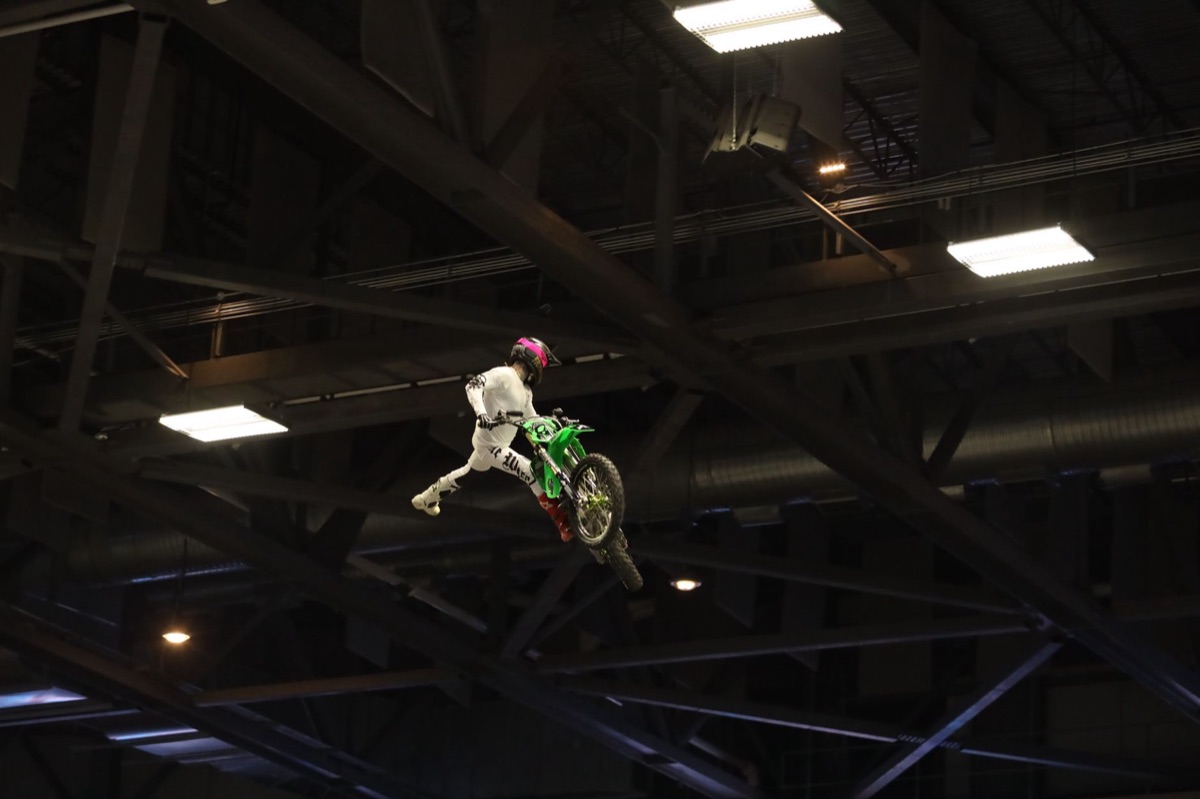
How does the market reception reflect the quality of Korean action cinema?
A viewer sits in a darkened theater, leaning forward as the tension builds. When the climax finally hits, the collective gasp from the audience confirms that the visual payoff was worth the wait. According to World Bank data, South Korea's share of internet users was 97.9% in 2024.
The market's reception of these films often correlates directly with the quality of the action. Audiences are increasingly savvy; they can tell the difference between "cheap" CGI and well-integrated, high-effort stunt work.
We can see this reflected in recent data. For instance, the film *Hope* (호프), released on July 15, 2026, has maintained a solid TMDB rating of 7.8/10 based on 16 votes. This indicates that even in a competitive market, high-quality production values drive engagement.
When the action feels "real" and the stakes feel "heavy," the audience responds with sustained interest and higher ratings.




Comments 0