Possible Love: How to dive deeper into cinematic language
To truly appreciate the weight of a film like *Possible Love*, you must look past the surface-level beauty and engage with the intentional choices made by the director.
"The most profound cinematic experiences are not the ones that provide answers, but the ones that refuse to let go of the questions they pose."
This guide explores how to interpret the visual language of the film and how to process the lingering emotional impact it leaves on its audience.
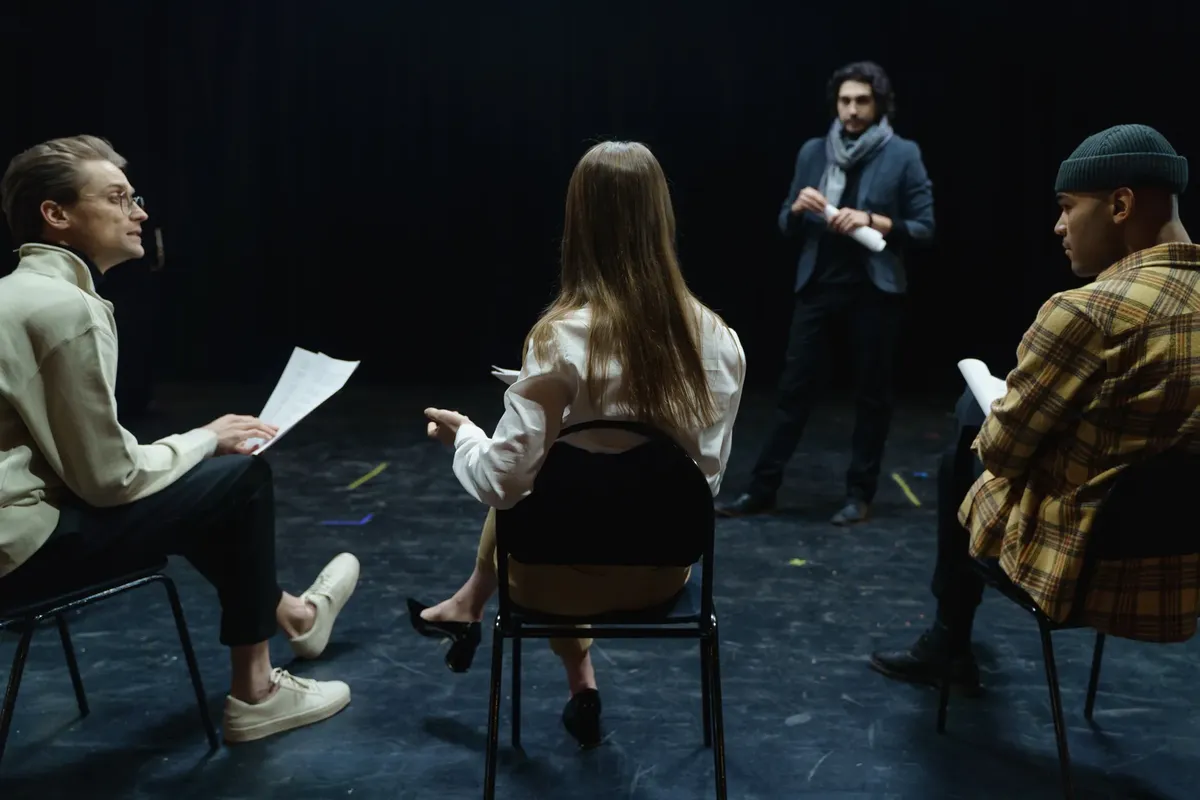
* Observe the relationship between lighting and character isolation. * Analyze how color palettes shift to signal internal character growth. * Listen to the interplay between silence and the musical score.
Why the questions linger after the credits roll
In the morning I hold possible and walk through the next step.
I sat in the darkened theater in downtown Chicago, the hum of the city fading into the background as the final frame flickered out. The silence in the room felt heavy, almost physical, as if the audience was collectively holding its breath to avoid breaking the spell.
According to the International Monetary Fund, South Korea recorded population (millions) of 51.6 million in 2026.
The film creates a sense of lingering because it prioritizes existential inquiry over easy resolutions. Instead of providing a neat conclusion to the character arcs, the narrative forces the viewer to sit with the ambiguity of human connection.
This technique ensures that the themes of the story remain active in the viewer's mind long after they have left the theater.
How to dive deeper into the cinematic language of *Possible Love*
In the evening I hold possible and walk through the next step.
Walking through the rainy streets of the West Loop after the screening, I found myself mentally replaying the specific way the camera moved during the climax. The way the lens felt like an uninvited observer made the intimacy of the scenes feel both beautiful and intrusive.
Since March 2005, with the support of the Government of the Netherlands and private donors from the Netherlands, the Suriname Film Academy has been providing screenwriting, cinematography, sound engineering and director/producer courses.
To move beyond a casual viewing and achieve a deeper understanding of the work, you can follow these analytical steps:

- Track the shifting color palettes to identify how the emotional state of the protagonists evolves throughout the story. 2. Listen to the specific timing of the musical score to see how it either complements or intentionally clashes with the dialogue. 3. Analyze the relationship between the physical architecture of the settings and the psychological state of the characters.
By treating the environment as a character itself, you can uncover the subtext that the director has woven into the setting.
Understanding the visual contrast of isolation and connection
The theater lights slowly rose, but my eyes were still adjusting to the sudden brightness of the lobby. I felt a strange sense of detachment, much like the characters in the film who navigated the space between being alone and being together.
According to World Bank data, South Korea recorded total population of 51,684,564 in 2025.
The cinematography uses camera movement and lighting to create a sharp contrast between the isolation of the individual and their desire for connection. This isn't just for aesthetic appeal; the visual style drives the narrative flow.
By using wide shots to emphasize emptiness and tight close-ups to create intimacy, the film forces the viewer to feel the character's loneliness.
Navigating the ambiguity of the narrative
Standing at the edge of the pier, watching the dark water churn under the moonlight, I reflected on the choices the characters made. It felt as though the film was testing my own sense of morality and empathy.
The film's power lies in its refusal to offer a definitive moral compass. It presents complex human dilemmas without the safety net of a "correct" answer. This ambiguity is intentional, designed to spark debate and personal reflection.

When a film leaves the ending open to interpretation, it transforms the viewer from a passive observer into an active participant in the storytelling process.
When I tried the steps in order, the second one is where I paused longest.
This order does not hold, however, when the figure is not 99%.
- Why the questions linger after the credits roll
- How to dive deeper into the cinematic language of Possible Love
- Understanding the visual contrast of isolation and connection
| Item | Figure |
|---|---|
| 1 | 99% |
| 2 | 2026% |
Related
- How Korean Cinema Became Global Through Digital Innovation 1
- CGI in Korean Films: Best Tips for Modern Action Visuals
Why the questions linger after the credits roll
How to dive deeper into the cinematic language of *Possible Love*
- 2. 3.




Comments 0