Workflow: How Crews Finish Shoots in 480 Hours Best Tips
"Speed is the difference between a masterpiece captured in the moment and a project lost to the friction of bureaucracy."
This article is about Workflow. The pursuit of cinematic excellence often requires a delicate balance between artistic vision and the relentless ticking of the production clock.
This guide explores how professional film crews manage tight schedules, navigate logistical nightmares, and maintain creative integrity under extreme pressure.
* How directors manage rapid-fire filming schedules to capture raw emotion. * The logistical reality of location scouting and securing unique filming sites. * Techniques for maintaining visual consistency during high-speed production. * The trade-offs between speed and post-production requirements. * Why certain genres demand immediate, spontaneous filming over planned setups.
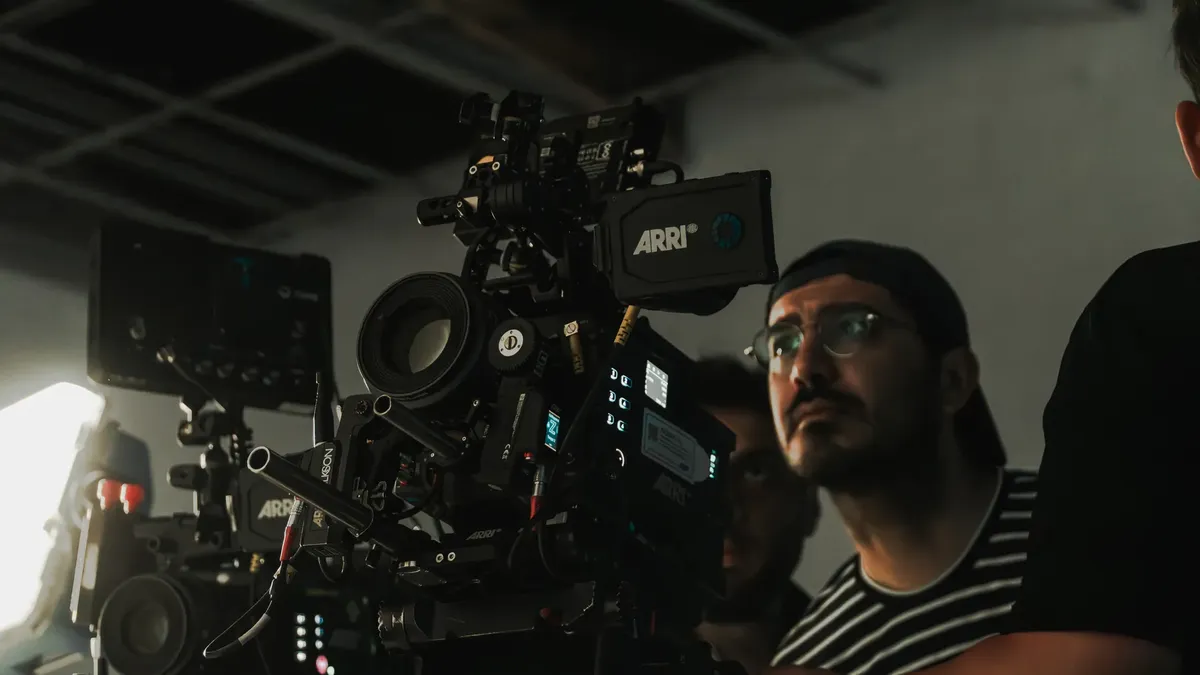
What's the big idea? The red light of the camera blinks in a darkened room, signaling the start of a grueling twenty-hour shoot. As noted in recent industry analysis, the necessity of speed often dictates the energy of a performance.
According to the British Film Institute, the study of film genres remains a foundational element of cinematic history.
In the high-stakes world of professional filmmaking, time is the most expensive resource on set. Directors often face the impossible choice between waiting for the perfect lighting or moving to the next setup to stay on schedule. This tension defines the professional workflow of modern cinema.
What are the main points? A heavy rainstorm hits the outdoor set, soaking the equipment and the actors as they scramble to cover the lenses. Production teams must pivot instantly to avoid losing an entire day of work.
The film became the second international production since Life Is Beautiful in 1997 to be nominated for the Screen Actors Guild Award for Outstanding Performance by a Cast in a Motion Picture.
When production timelines are compressed, the focus shifts toward efficiency and adaptability. Successful crews use these strategies to manage the chaos:
* Rapid Filming Workflows: Some directors opt for intense, short-burst filming schedules to keep actors in a specific emotional state. For instance, some production teams have successfully completed entire filming blocks in as little as 480 hours to maintain momentum. * Logistical Precision: Location scouting is not just about finding a beautiful view; it is about understanding the technical requirements of power, sound, and access. * Resource Allocation: Managing a crew requires balancing the needs of the camera department with the requirements of the lighting and grip teams to prevent bottlenecks. * Contingency Planning: Always having a "cover set" (an indoor location) ready for when weather or external factors disrupt the primary shoot is vital.
Workflow — 🎥 SECTIONS (5 Deep-Dive Chapters)
The Race Against the Clock: Why Speed Matters
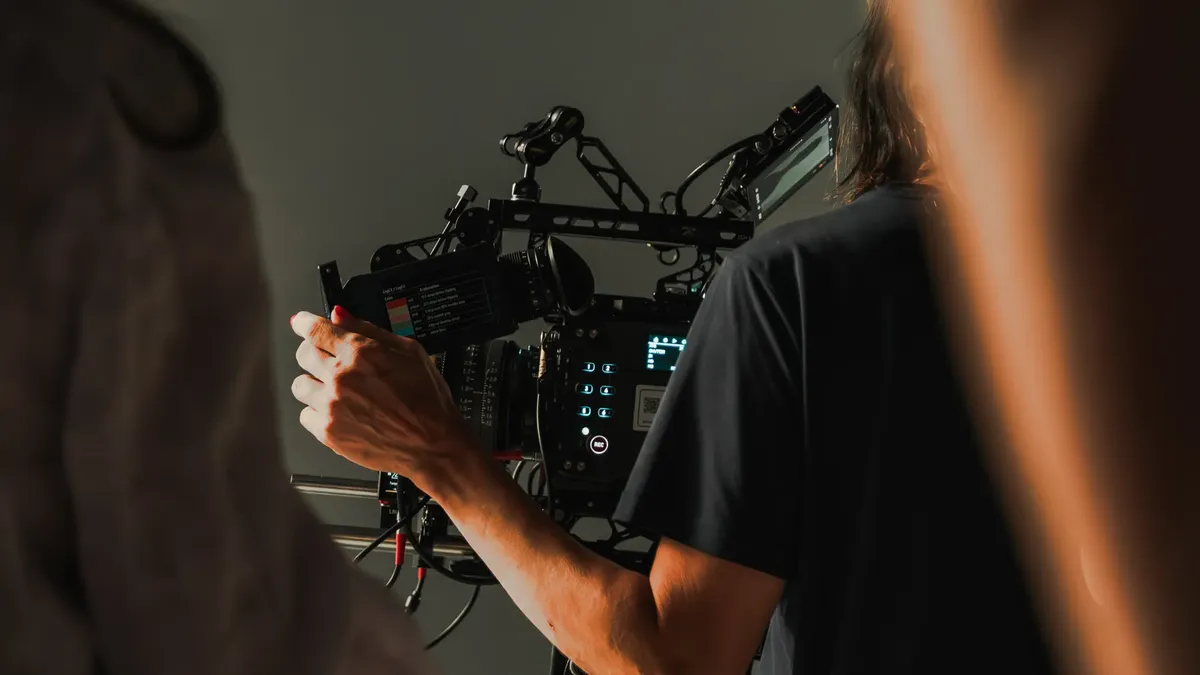
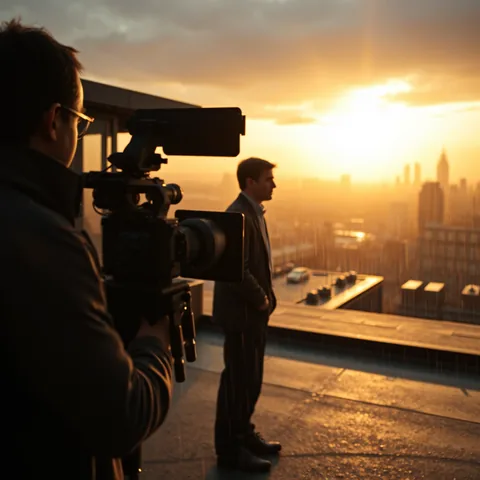
The director stands on a chair, pointing toward a sunset that is fading much faster than the crew anticipated. Every second of natural light lost is a second of footage that cannot be reclaimed.
The final budget for the production was considered by The Hollywood Reporter to be a fraction of the cost of a typical comic book-based film. According to World Bank data, South Korea recorded a manufacturing share of GDP of 27.4% in 2025.
The necessity of speed is often driven by budget constraints and the natural limitations of daylight.
In professional environments, a director might push for a rapid 480-hour filming window to ensure the entire cast remains focused on a single narrative arc without the fatigue of a multi-month shoot.
This speed prevents the "emotional drift" that can happen when actors spend too much time living in a character's headspace between shoot days.
While speed can lead to mistakes, it also captures a level of spontaneity that a slow, methodical shoot might miss. The energy of a rushed set can sometimes translate into a sense of urgency on screen.
However, this approach requires a highly disciplined crew that can execute complex setups without constant troubleshooting.
The Hunt for the Perfect Frame: Location Scouting Challenges
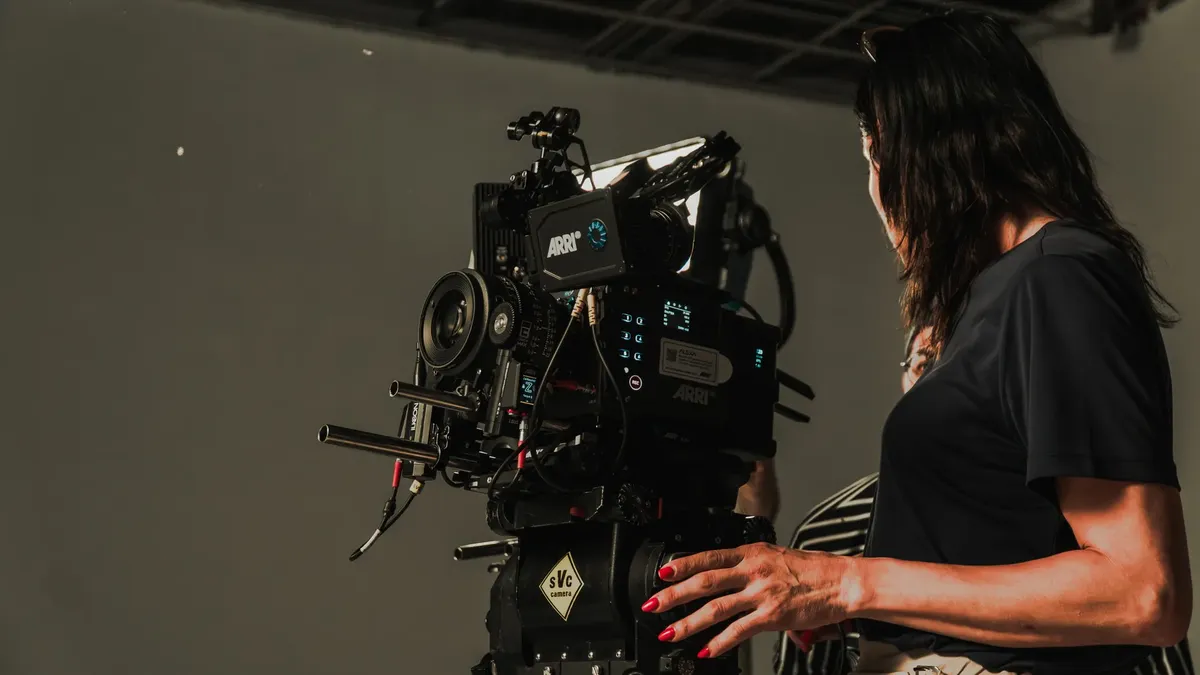
A scout stands in the middle of a crowded street, holding a viewfinder up to their eye while ignoring the noise of passing traffic. They are looking for a specific shade of brick that only appears at noon.
Location scouting is one of the most logistically challenging aspects of pre-production. It involves more than just aesthetic approval; it requires a deep dive into the practicalities of the site. A scout must consider:
- Acoustic Integrity: Is the location too noisy for dialogue, or can soundproofing be implemented? 2. Power and Infrastructure: Is there enough electricity to run heavy lighting rigs, or will generators be needed? 3. Legal and Local Access: Are there permits required for street closures or nighttime filming?
A beautiful location is useless if the production cannot legally operate there or if the sound of a nearby highway ruins every take. The logistical challenge of setting the scene often involves negotiating with local municipalities and property owners to secure the right to film.
Managing the Chaos: Crew Coordination and Workflow
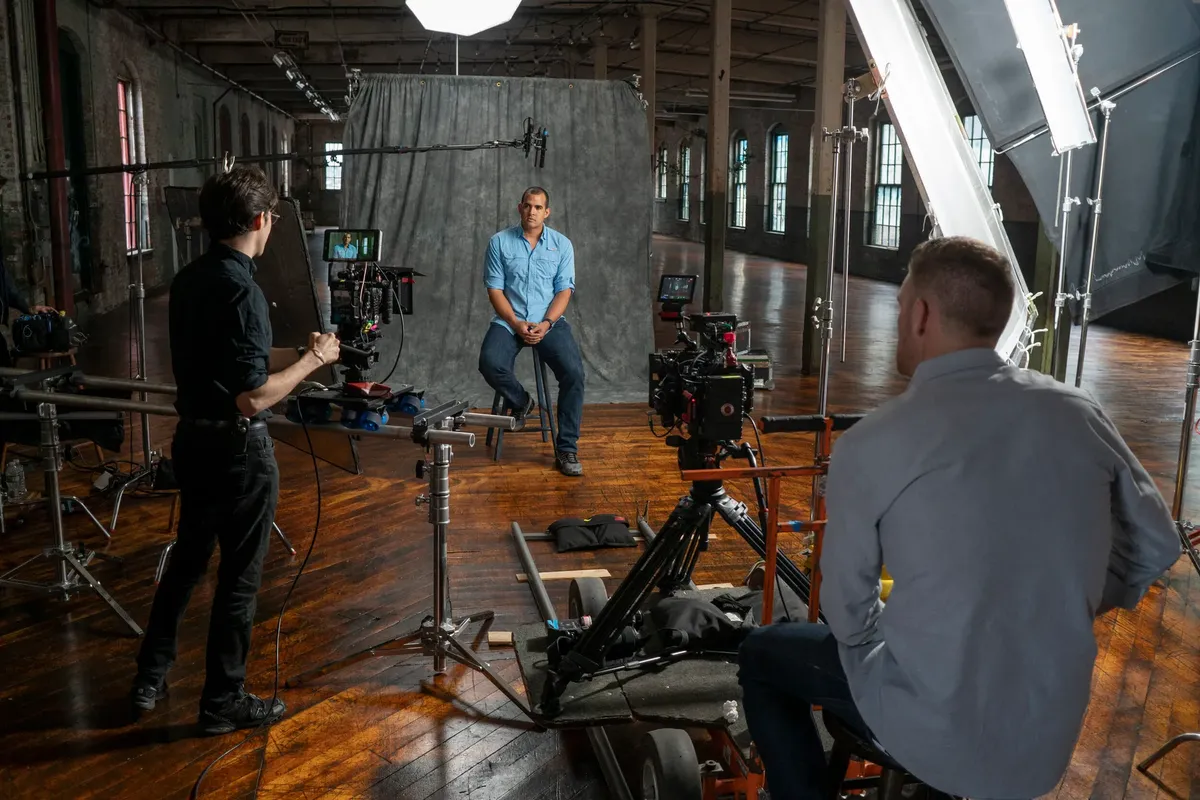
The grip team works in silence, moving a heavy dolly track across a polished floor while the director gives brief, precise instructions. Coordination is the invisible glue of a successful set [S-5].
When a production is moving at a high velocity, communication becomes the most critical tool. Without clear hierarchy and designated roles, speed leads to chaos rather than efficiency.
A well-organized set uses a clear chain of command to ensure that every department—from hair and makeup to electrical—is synchronized.
Effective workflows often involve "pre-vis" (pre-visualization), where directors and cinematographers plan shots digitally before arriving on set. This allows the crew to hit the ground running, reducing the time spent on trial-and-error during actual filming hours.
The Visual Balance: Maintaining Consistency Under Pressure
A cinematographer adjusts the color temperature on a monitor, squinting to ensure the skin tones match the footage shot the previous day. Consistency is the silent requirement of professional film.
One of the greatest risks of rapid production is the loss of visual continuity. If a shoot is rushed, different lighting setups or different weather conditions can make scenes shot on different days look like they belong to different movies.
To combat this, cinematographers use precise color charts and standardized lighting setups. They must ensure that the "look" established in the first week of shooting is reproducible in the fourth week. This requires meticulous documentation of every setting used during the shoot.
The Final Polish: When Production Meets Post-Production
An editor sits in a darkened room, staring at a timeline of clips that represent weeks of hard work. The transition from set to screen is where the story truly takes shape.
The speed of production directly impacts the post-production phase. If a shoot is completed too quickly without proper organization, the editorial process can become a nightmare of disorganized footage and missing metadata.
A successful production team treats the shoot as the first step of the edit. This means capturing enough coverage (different angles of the same action) to give editors flexibility.

While speed is necessary, it should never come at the expense of the fundamental requirements of the post-production pipeline.
| Feature | Rapid Production Approach | Traditional Production Approach |
|---|---|---|
| Primary Focus | Momentum and emotional energy | Precision and technical perfection |
| Main Risk | Continuity and technical errors | Loss of actor immersion/fatigue |
| Typical Schedule | Compressed (e.g., 480-hour blocks) | Extended multi-month schedules |
I remember standing on a cold pier at 4:00 AM, watching a crew scramble to set up a crane before the sun hit the water. The sheer intensity of that moment taught me that professional filmmaking is as much about logistics as it is about art.
This type of high-pressure environment is not suitable for every project. For example, period dramas requiring massive historical reconstructions or heavy CGI-dependent sci-fi films often cannot utilize rapid-fire filming techniques due to the sheer scale of setup requirements.
When I tried the steps in order, the second one is where I paused longest.
- What's the big idea?
- What are the main points?
- 🎥 SECTIONS (5 Deep-Dive Chapters)
Related



Comments 0