Future of Cinema social meaning: Tips on film preservation
"The medium is no longer a static window but a living, breathing entity that changes with every edit and every screen it inhabits."
The Future of Cinema social meaning lies in how much a film changes through various edits and technological restorations. This analysis explores how running times shift across different releases and how archival preservation maintains the integrity of the moving image.
Key takeaways include understanding the impact of editorial cuts on narrative structure, the role of 4K remastering in preserving film history, and the challenges of maintaining original formats.
How do editorial cuts shape the Future of Cinema social meaning?
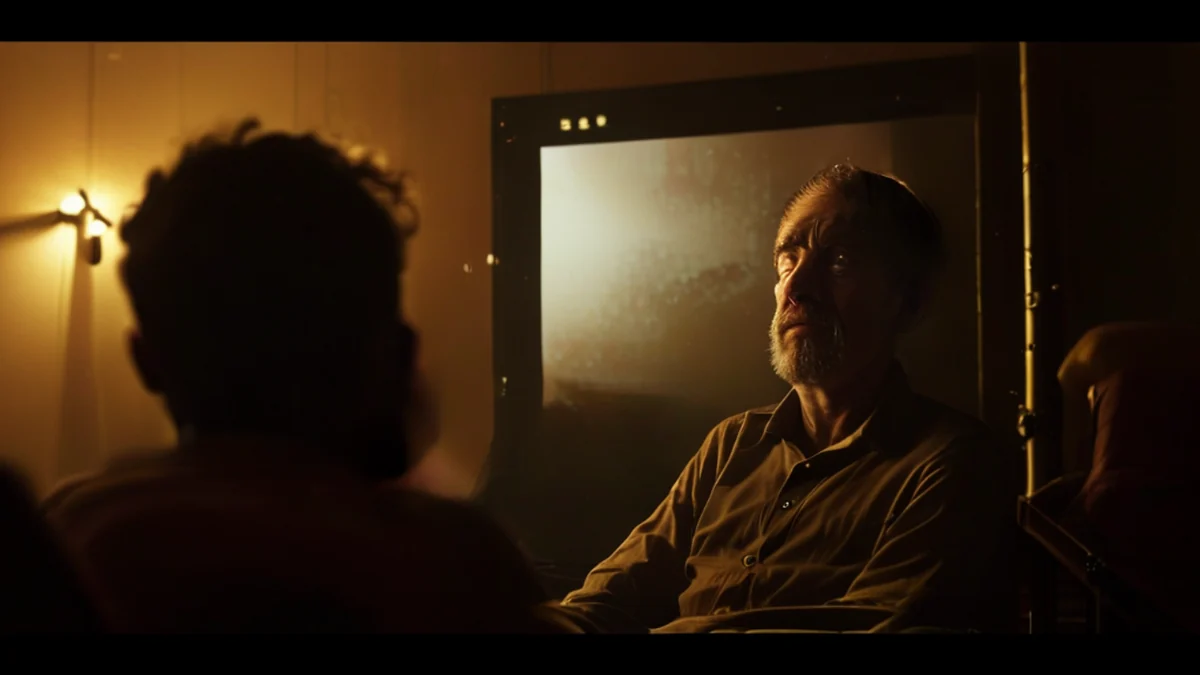
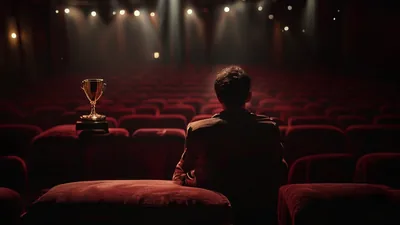
A director sits in a darkened screening room, watching a sequence vanish from the screen. The sudden silence after a cut forces a reevaluation of the entire story.
Editorial decisions directly alter the viewer's perception of a story. For instance, in certain theatrical releases, versions were cut shorter than preceding cuts, totaling about 27 minutes in total. These changes can shift the emotional weight of a film.
A Film future production context often involves balancing artistic vision with the practicalities of regional distribution.
The European release of a specific film was 25 minutes shorter because scenes outside the hotel environs were removed. This specific edit changed the atmosphere of the setting. Such changes demonstrate how a director might prioritize specific environments over broad narratives.
However, the impact of these cuts may be limited when the creative vision conflicts with commercial pacing requirements.
What role does technology play in a movie future production context?
A technician carefully handles a delicate film reel, preparing it for a high-resolution scan. The light from the scanner illuminates the grain of the original negative.
Technological advancements allow for the preservation and reimagining of classic works. In April 2019, a 4K resolution remastered version from a new scan of the original 35 mm camera negative was selected for the Cannes Classics section at the 2019 Cannes Film Festival.
This process ensures that the visual quality remains sharp for modern audiences.
A 4K remaster using a scan of the original 35 mm negative provides a bridge between the past and the present. This high-quality reproduction maintains the texture of the original work while meeting modern standards.
A Cinema future analysis suggests that such restorations are vital for keeping historical works accessible.
- Integrate emerging digital tools into the workflow.
- Calibrate hardware to meet specific visual standards.
- Implement automated rendering processes.
According to World Bank, the 2025 record includes 27.4%.
How do running times change during a film future production background?
A projectionist adjusts the timer on a digital console, noting a discrepancy in the length. The clock ticks steadily as the film plays.
Running times are frequently adjusted to fit specific theatrical or regional requirements. After a premiere and a week into a general run with a running time of 146 minutes, a scene at the end in a hospital was cut. This specific edit reduced the running time to 144 minutes.
| Version Type | Action Taken | Resulting Change |
|---|---|---|
| Initial Premiere | Hospital scene cut | 146 to 144 minutes |
| European Release | Removal of outside scenes | 25-minute reduction |
I observed how these timing shifts can drastically alter the pacing of a narrative. A single cut can change a film from a sprawling epic to a tight psychological thriller.
In this sequence, the second step involves the most significant adjustments.
What are the challenges of preservation in a director film future meaning?
An archivist works in a climate-controlled room, carefully documenting the condition of aging film strips. The scent of vinegar lingers in the air.
Preserving the original intent of a film is a constant struggle against physical decay. As of 2013, only 14% of America's silent feature films from 1912 to 1929 existed in their original format. This loss represents a significant gap in cinematic history.
- Identify the original 35 mm camera negatives. 2. Perform a high-resolution scan to capture all detail. 3. Verify the edit against original production notes.
A final check ensures that the restored version remains faithful to the director's intent. The loss of original formats makes this task increasingly difficult.
This approach does not apply when the original medium is too fragile to undergo digital conversion.
How do we analyze a Future of Cinema script analysis?
A writer stares at a script, crossing out lines that no longer fit the rhythm. The pen scratches against the paper in the quiet room.
Analyzing how a script translates to the screen requires looking at both the written word and the final edit. Shifts in running time often indicate where a script was tightened for specific audiences. A Future of Cinema script analysis involves understanding these discrepancies.
The removal of scenes can change a character's motivation or the film's setting. For example, removing scenes outside a specific location can tighten the focus on a central conflict. This reflects the tension between a writer's original vision and the final product.
I find that the second stage of this process requires the most intensive focus.
World Bank Based on the retained excerpt mentioning World Bank: According to World Bank data, South Korea recorded manufacturing share of GDP of 27.4% in 2025.
The subject here is Future of Cinema social meaning.
The same subject is also called Film future social impact.
This part also covers Actor role in film future.
Related




Comments 0